





Jardins du MIP
A rejuvenating stroll amid fragrant plants
Forming part of the International Perfume Museum (MIP), these gardens are an ode to the heritage of scented botanicals and provide a perfect opportunity for a leisurely stroll with guided tours and open-air exhibitions.
By Tanja Stojanov
Photos © Benoit Page
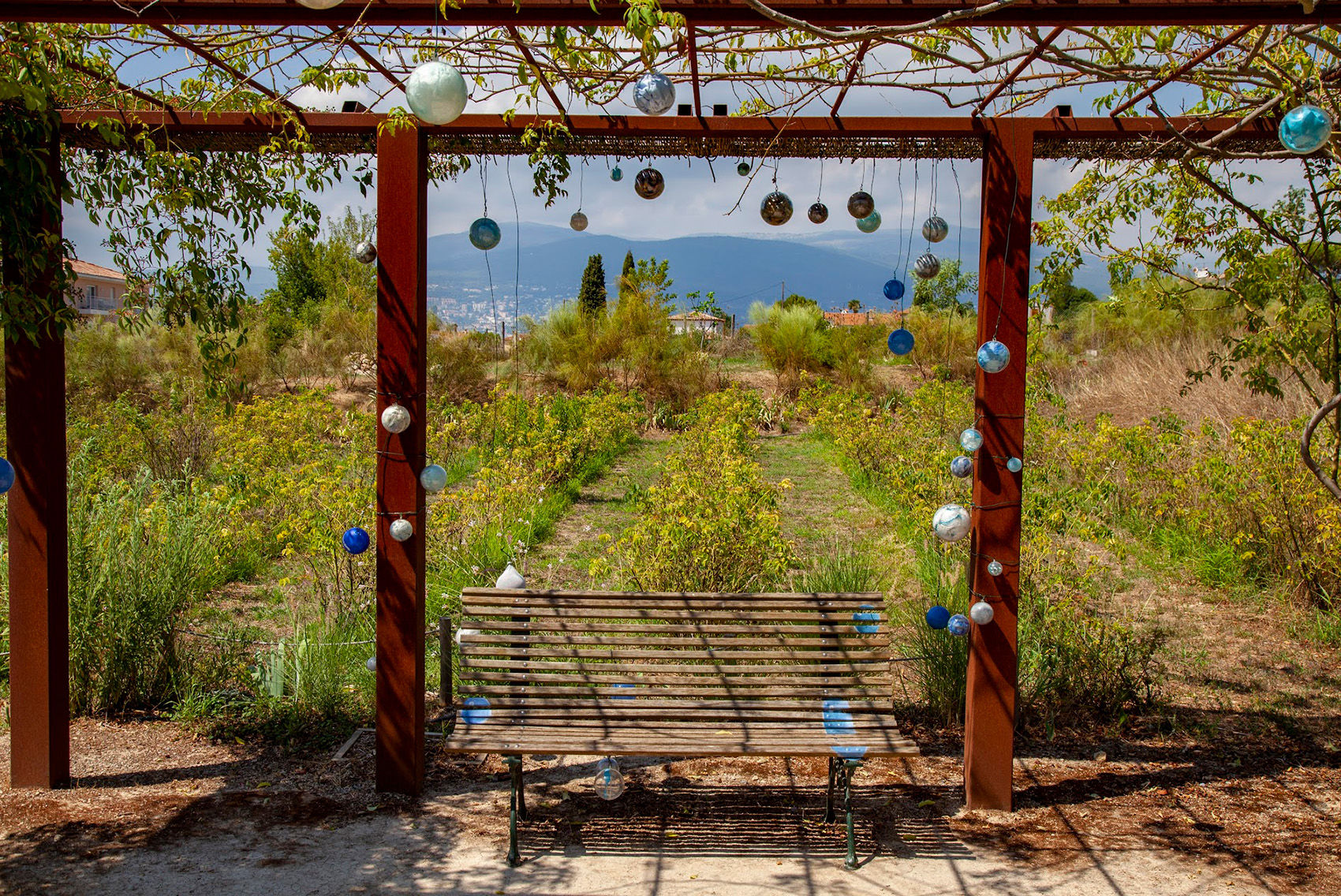
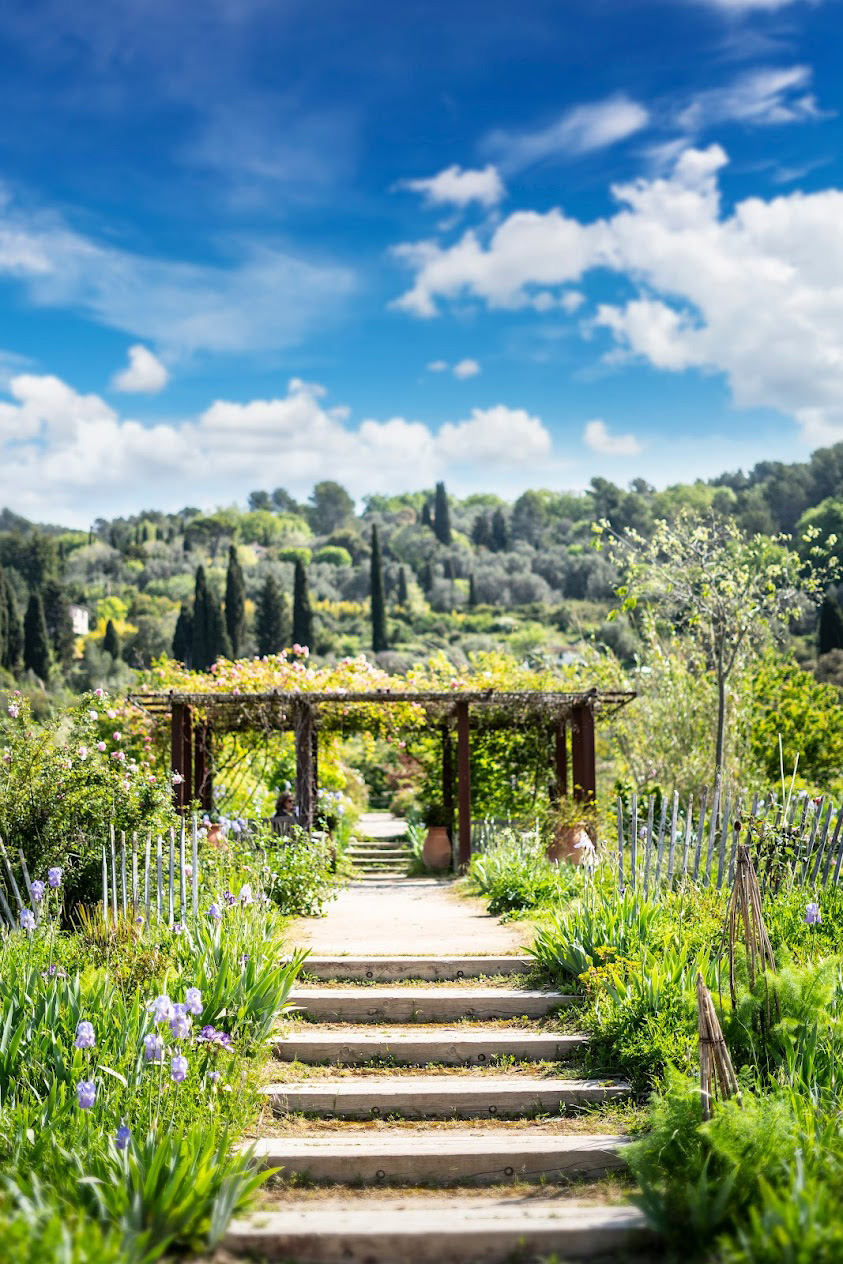
The coastline harbours some unexpected gems like this one, where the most varied plants grow side by side and take turns to bloom as the seasons pass. The gardens at the museum are one of those gems. The place is home to a conservatory of perfumed and aromatic plants and other botanicals from the area around Grasse. It spans more than 2.5 hectares and provides a real breath of fresh air within its urban surrounds. As well as being a delight for the eyes and the other four senses, this extraordinary garden has official “Jardin remarquable” status and is frequented by birds, small mammals and insects. It plays many essential roles, including the preservation of local biodiversity. “For financial reasons due to the cost of labour and globalisation, the flower fields around Grasse that used to provide raw materials for perfume production have almost completely disappeared. It is therefore essential for the International Perfumery Museum to maintain the fragrance tradition through its gardens. This know-how is on the UNESCO list of Cultural and Intangible Heritage”, specifies Olivier Quiquempois, director of the Musées de Grasse.
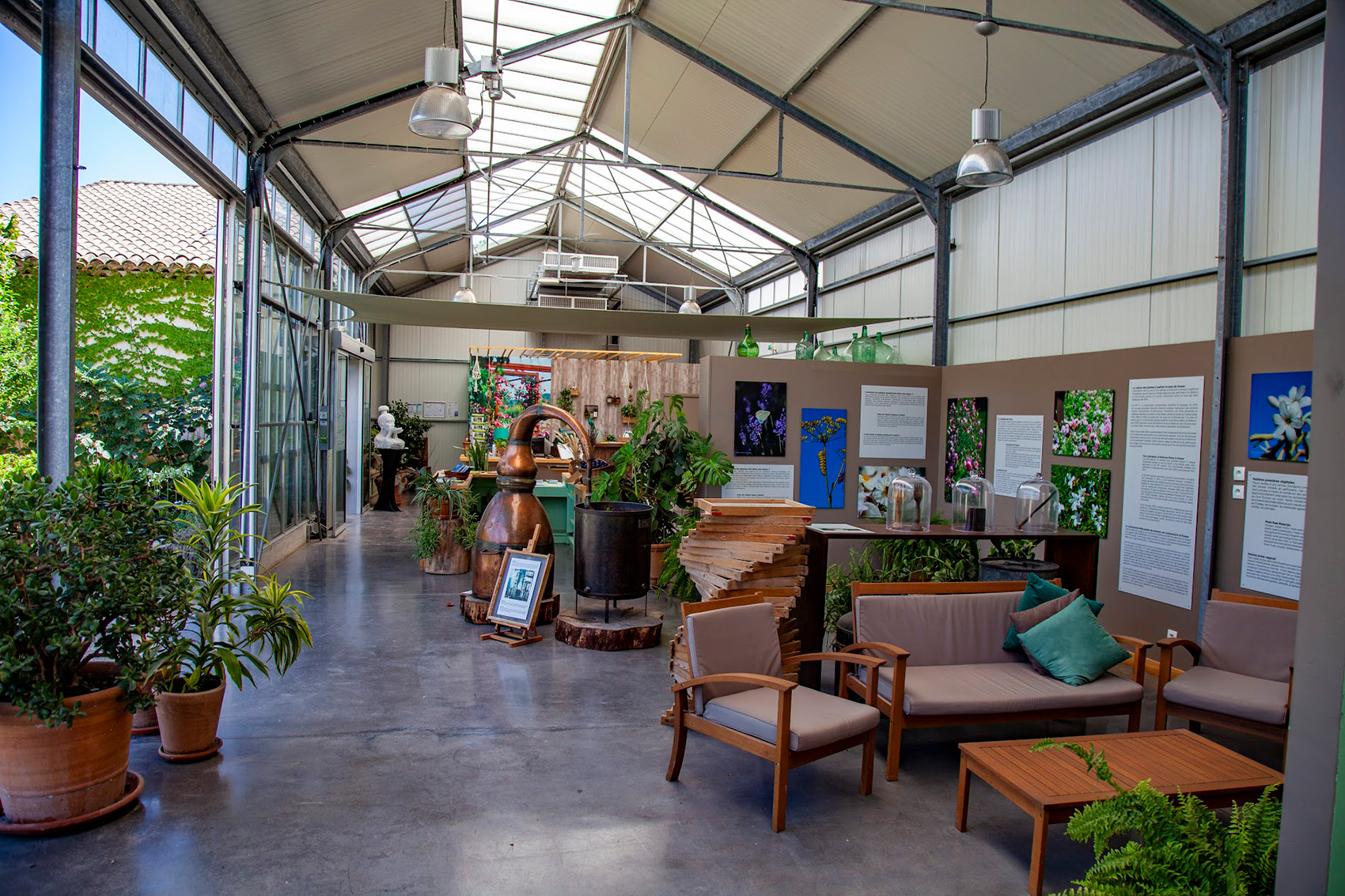
After visiting the greenhouse in the reception area, you are invited to walk through two spaces: an olfactory pathway, organised into small islands of perfume plants or plants used for cooking with spicy, fruity, woody notes, some of which have been forgotten, then a large collection of plots which are cultivated in open fields as they were in the past. After the May rose, this season brings various species of lavender, and jasmine, which are traditionally grown for perfumes. It may interest you to know that while the first perfume plants were used in Grasse in the 16th century, the industry reached its peak in the first half of the 20th century, producing mainly natural products from local agriculture. After the Second World War, many of the factories in Grasse were bought by large international groups and, given the rising costs of land, the amount of agricultural land continued to decrease. As such, the team at the International Perfumery Museum’s gardens intend to safeguard this natural heritage for future generations, along with all the know-how that goes with it, and meet today’s growing demand for floral crops in urban landscapes.
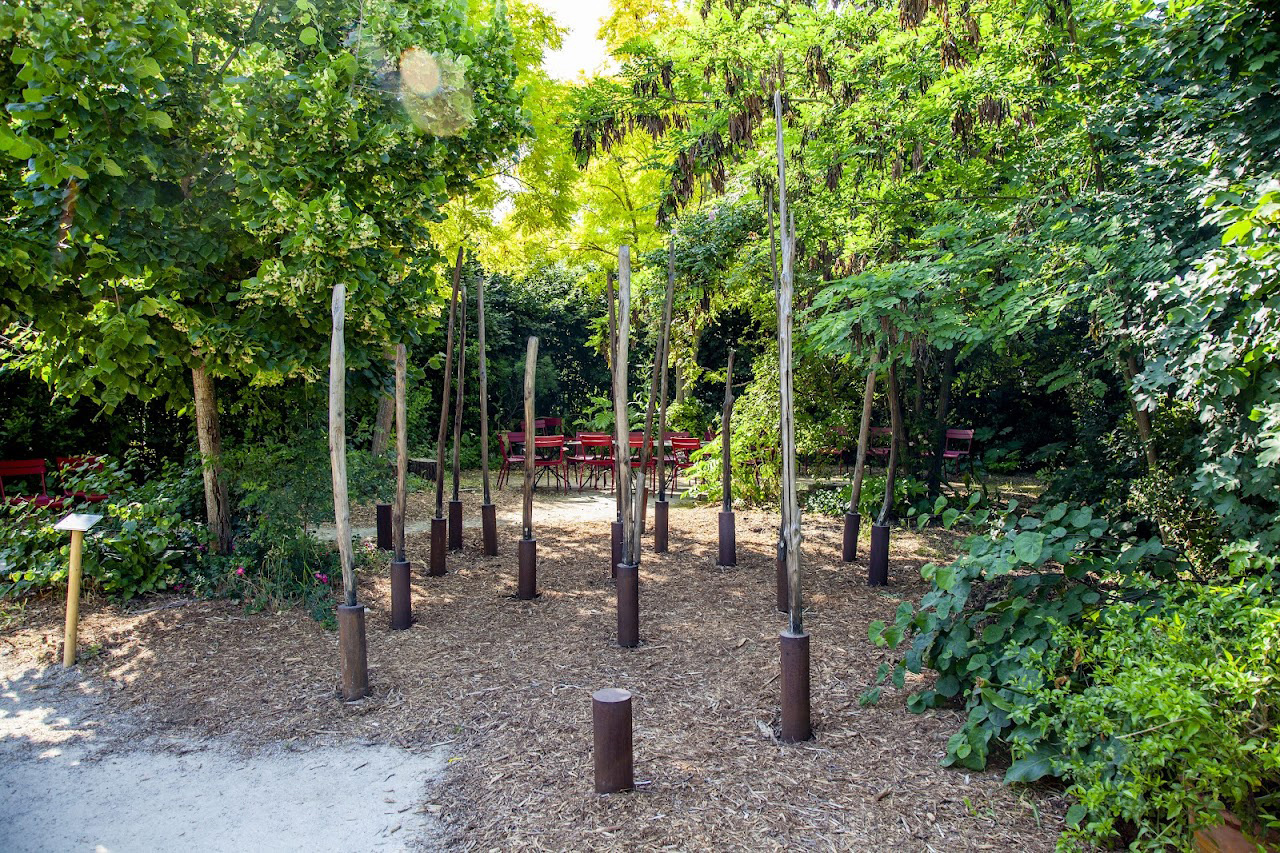
The gardens are open for visitors, but every Saturday at 10 a.m, the gardeners gives a guided tour, bookings only. The Gardens are also presenting a tribute exhibition to Dominique Thévenin (1955-2023) until 3 November. Thévenin, who trained at the Villa Arson in Nice and now lives in Grasse, created a sculpture for the MIP that evokes the chimneys of perfume factories in Grasse's 19th-century landscape. Please note that the small production volumes in the garden are used to make floral waters, rose confit, green tea and even tuberose confit, which can all be purchased in the International Perfumery Museum garden shop. A local delight!
Plein Tarif 4 euros - demi-tarif sur présentation du billet du MIP
Ouvert de 09h00 à 18h00
979 Chemin des Gourettes
06370 Mouans-Sartoux
jardinsdumip.museesdegrasse.com
 Côteweb 2021, création de site Internet sur Nice