



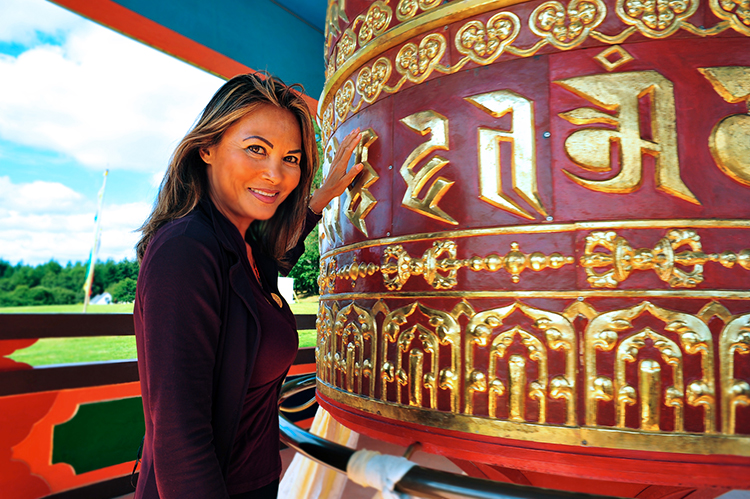
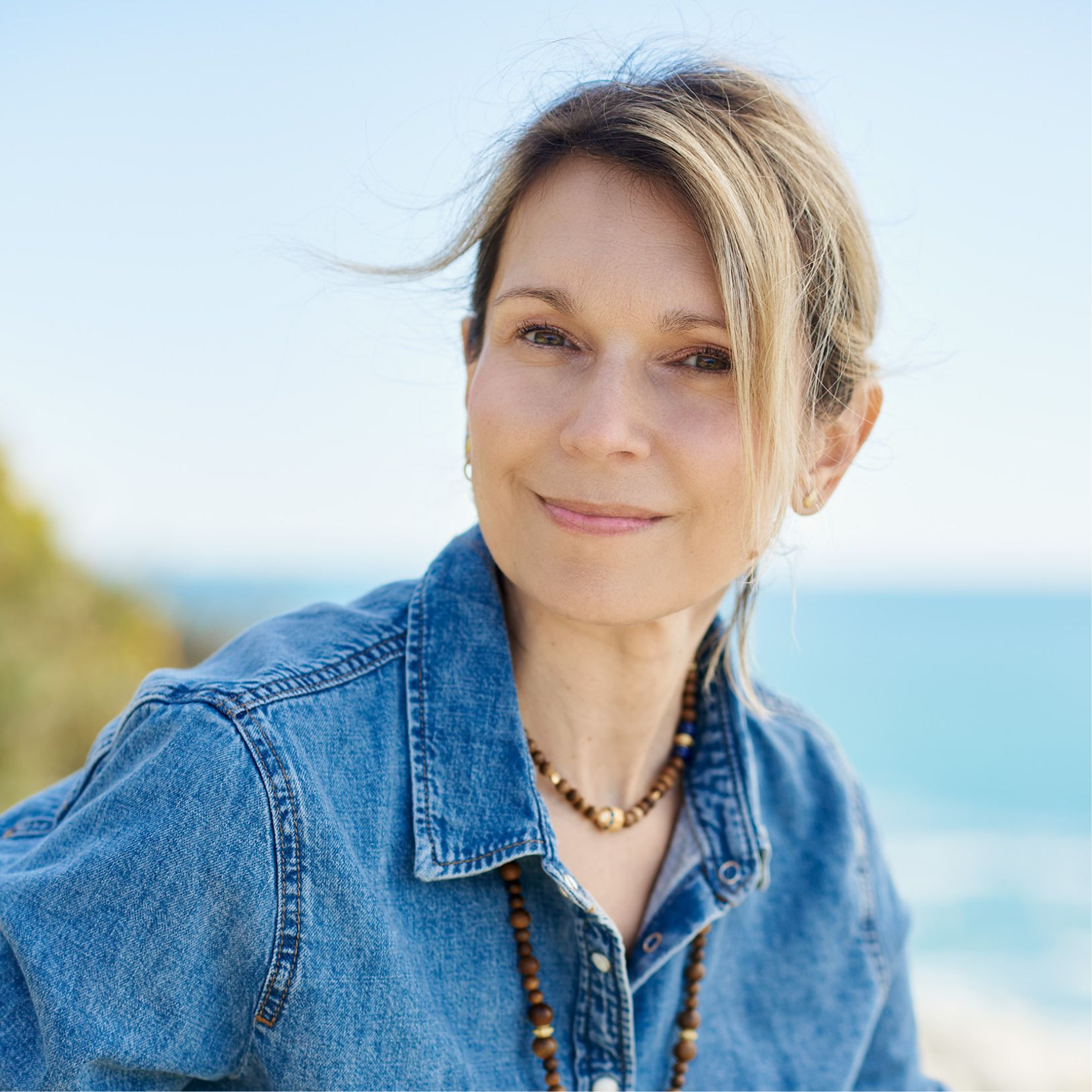
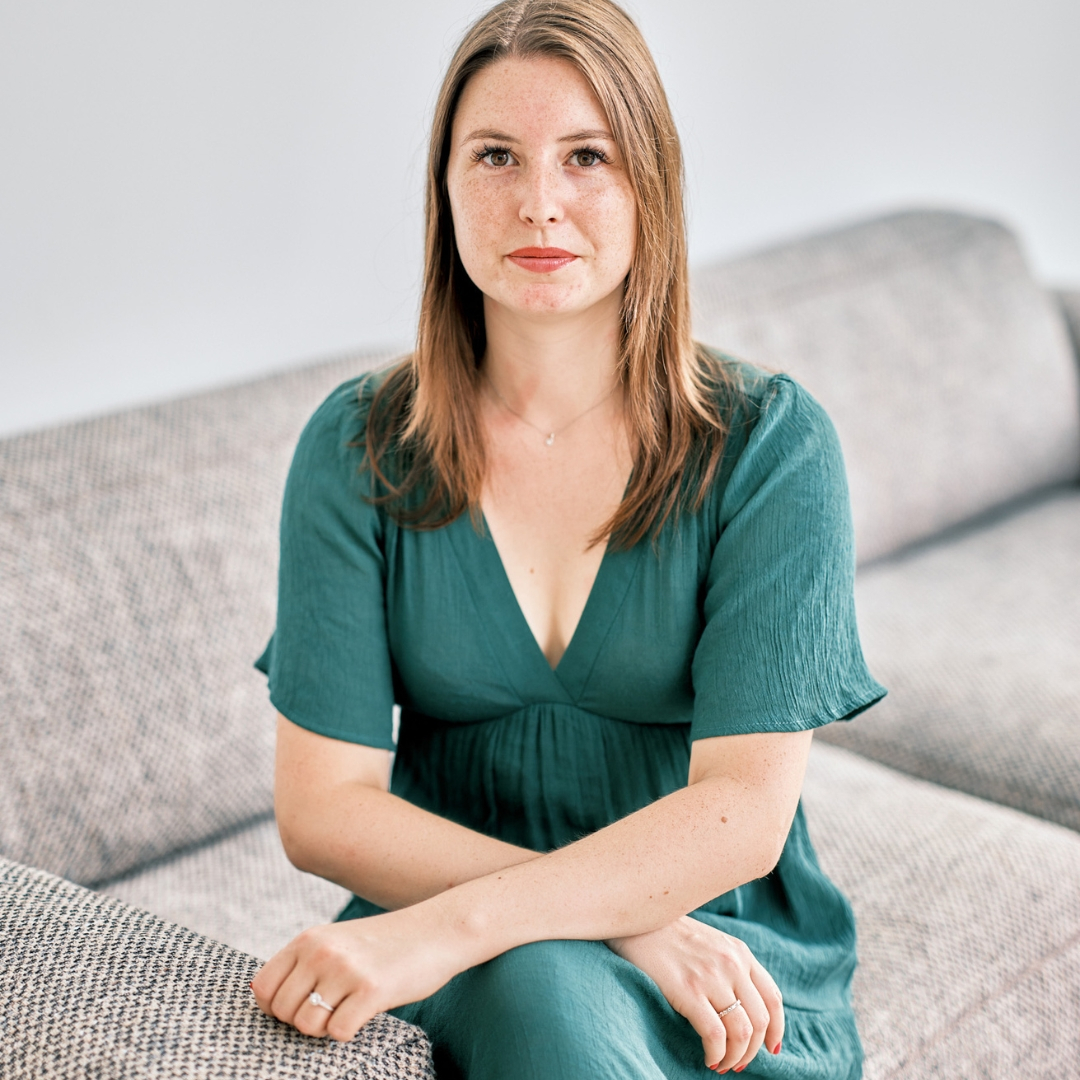
This is the story of a woman whose life was called into question 20 years ago. A woman familiar with the catwalks she frequented as a fashion designer. A life of pleasures. Then one night she was mugged in a Paris street. It was fast, sudden, violent, with a knife. Her cool head saved her: "I told my attacker I wasn't afraid of dying and if it was going to happen I would die with dignity." The man turned on his heels. Where others would have experienced what happened as a trauma, Tara remembers it as a magnificent opportunity: "I came out of the experience totally empowered and convinced I had spent too much time amusing myself in a materialistic world. I understood the impermanence of things. It awakened me from a sort of torpor." Her mind was made up: from that day forth she would live a truly meaningful life. How? By going further down the road she had been following out of purely personal, almost dilettante, interest. There is no such thing as chance. "I was born into a Mandarin-Vietnamese family and thanks to my parents was always surrounded by masters of wisdom, people of a very fine calibre, human, spiritual, religious or even secular."
Work on the emotions
So she set off down the path of Tibetan philosophy and its teachings, which led to initiation into its Mysteries by renowned Great Masters such as Kalou Rinpoche and His Holiness the 12th Gyalwang Drukpa, spiritual leader of the Drukpa Lineage, a branch of the Kagyupa school of Tibetan Buddhism. Under them she mastered techniques of meditation, concentration and self-control using energy-based mind and body disciplines. So was born Tara, the name she took in honour of the Tibetan goddess who helps human beings overcome life's obstacles. Summing up in a few lines her healing techniques and fields of intervention would be illusory, so much does her work depend on subtlety and the need to experience it in order to realise its effects. But we can attempt to explain one major principle: to heal the body we first have to work on the emotions. Our body accumulates remembered emotions from birth onwards; negative ones (fear, worry, sadness) build up and affect our cells, forming psychic knots that cause stress and anxiety. Tara's role is therefore to break down this emotional charge by working on our energy centres to expunge this suffering and allow the Self to regenerate. We are talking here of cellular memory, associated with epigenetics, or the study of how emotions impact on genes. In 2013 the Collège de France created a specialist chair for the two disciplines, held by world-renowned geneticist Edith Heard, who was awarded the Inserm 2017 prize for her work and from next year heads the European Molecular Biology Laboratory. Modern science joining forces with age-old tradition!
Par Alexandre Benoist





 Côteweb 2021, création de site Internet sur Nice