




“Charcoal was for me a primal tool enabling me to express myself on walls.”
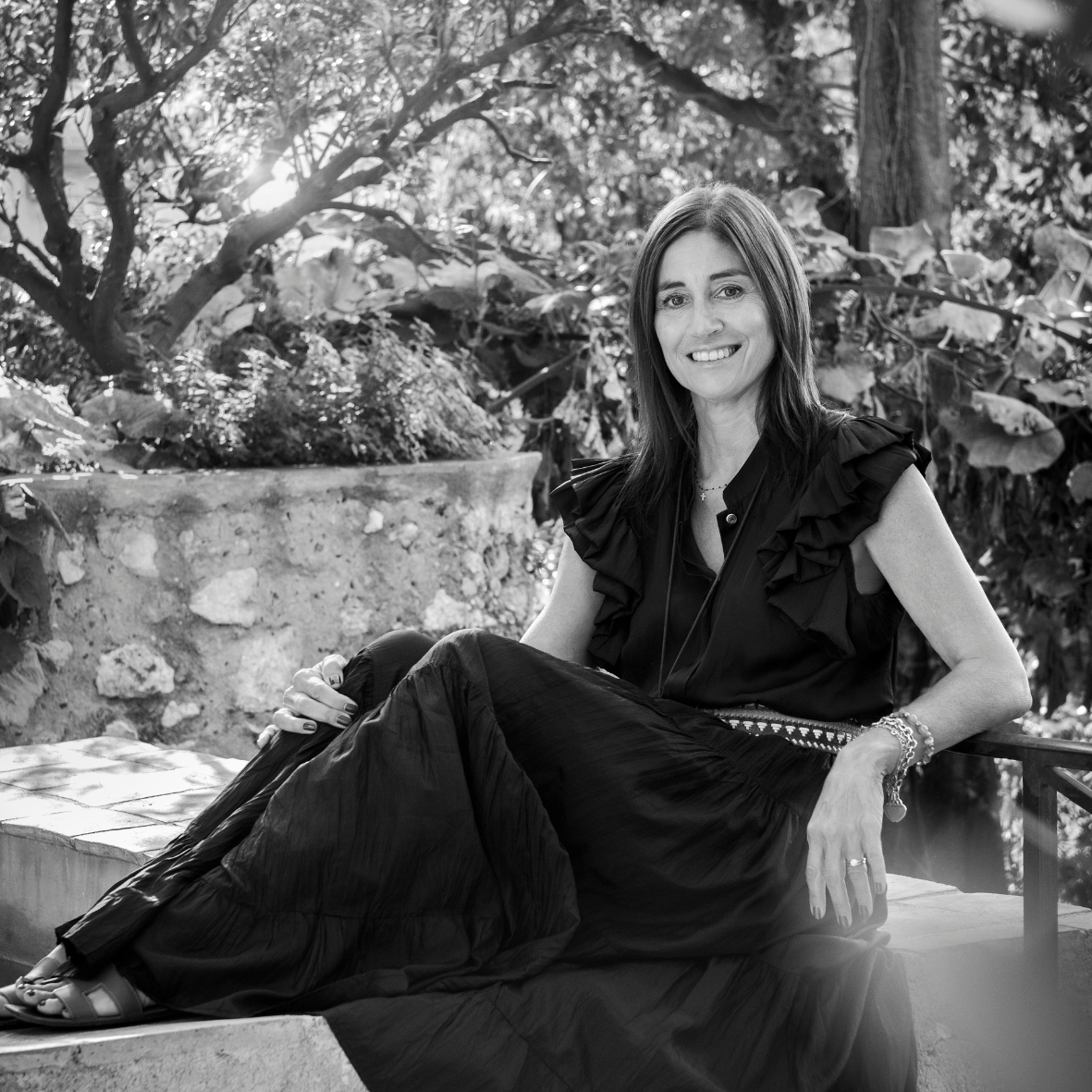
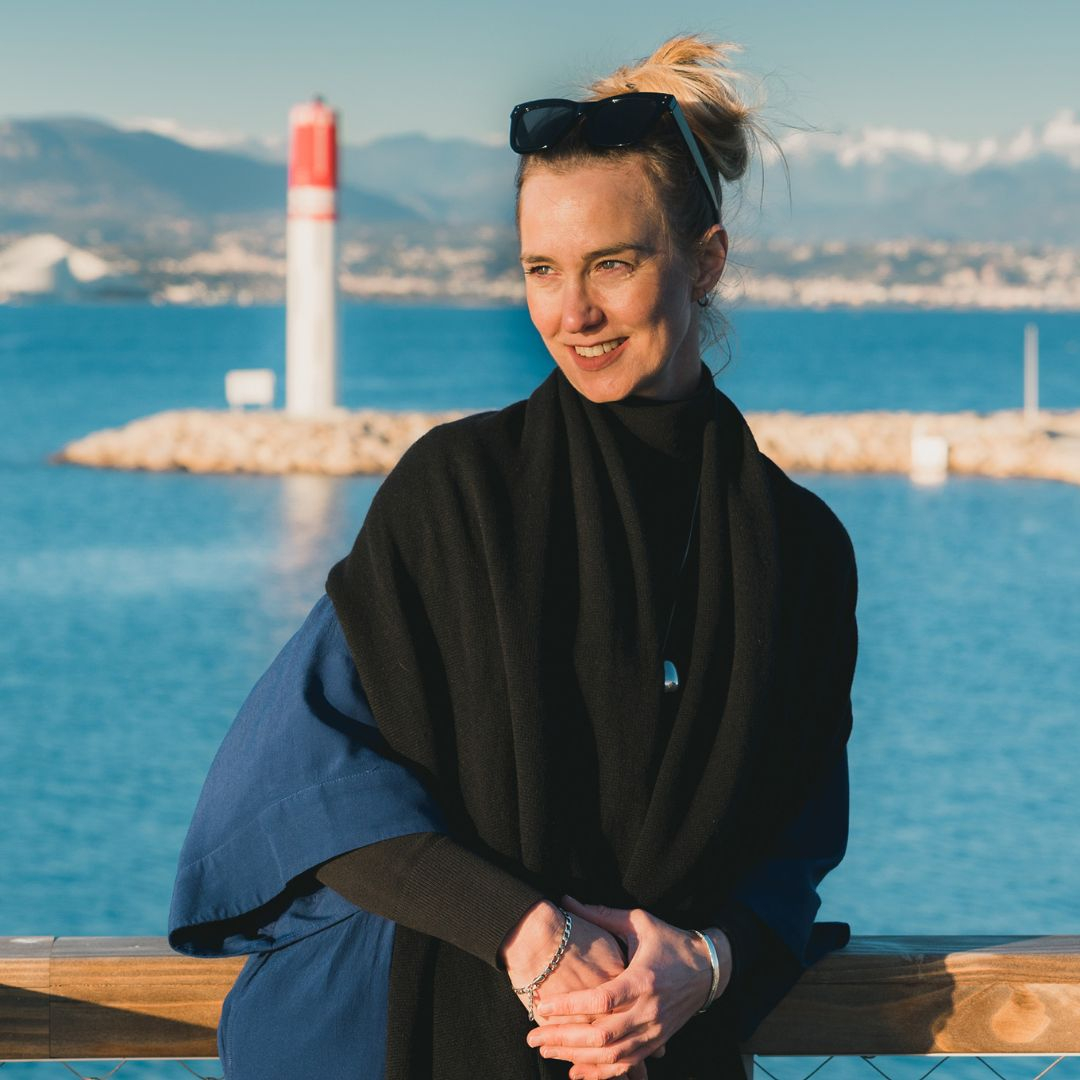
This artist now represented by Galerie Eva Vautier, in Nice, studied under Patrice Giuge at Villa Thiole then at Villa Arson, where she experimented with different techniques that pushed her to develop new practices. She completed her studies with a Master’s degree in Architectural Heritage, from which she has retained many a fascinating story about the Royal Road that once ran between the County of Nice and the State of Savoy’s capital, Turin. The unmistakeably contemporary wall drawings that have brought Charlotte recognition are like trees that play with the architecture. They also take us back to our origins, those of humans and of cave art. “Charcoal was for me a primal tool enabling me to express myself on walls. Then I started modelling it to create in situ sculptures and installations.” Charlotte’s art practice involves an empirical relationship with her material. Recently she learnt that a cemetery had been discovered on Nice’s Castle Hill, with Late Antiquity tombs containing human remains from the Middle Ages. The anachronism made her think of Rainer Maria Rilke’s Primal Sound essay in which he “wrote about imagining he could hear memory through the coronal sutures of a skull”. Charlotte came up with the idea of retranscribing memory from the skulls discovered in those tombs, for which she used innovative 3D and sound techniques employed at the CNRS research laboratories in Marseille. From this starting point she has produced a protean mixed-media oeuvre that in late 2019 will be displayed at the Terra-Amata Human Palaeontology Museum and the MAMAC contemporary gallery, in Nice. “The works I create are connected with real or fictitious events, but the human element is always at the heart of my intention,” Charlotte sums up.
Par Tanja Stojanov / Photo Jean_Michel Sordello







 Côteweb 2021, création de site Internet sur Nice