


Innovation is their DNA
Young companies on the Côte d’Azur are riding the waves of the high-tech and digital seas with brio, revolutionising our present and ushering in the future…
By Christine Mahé
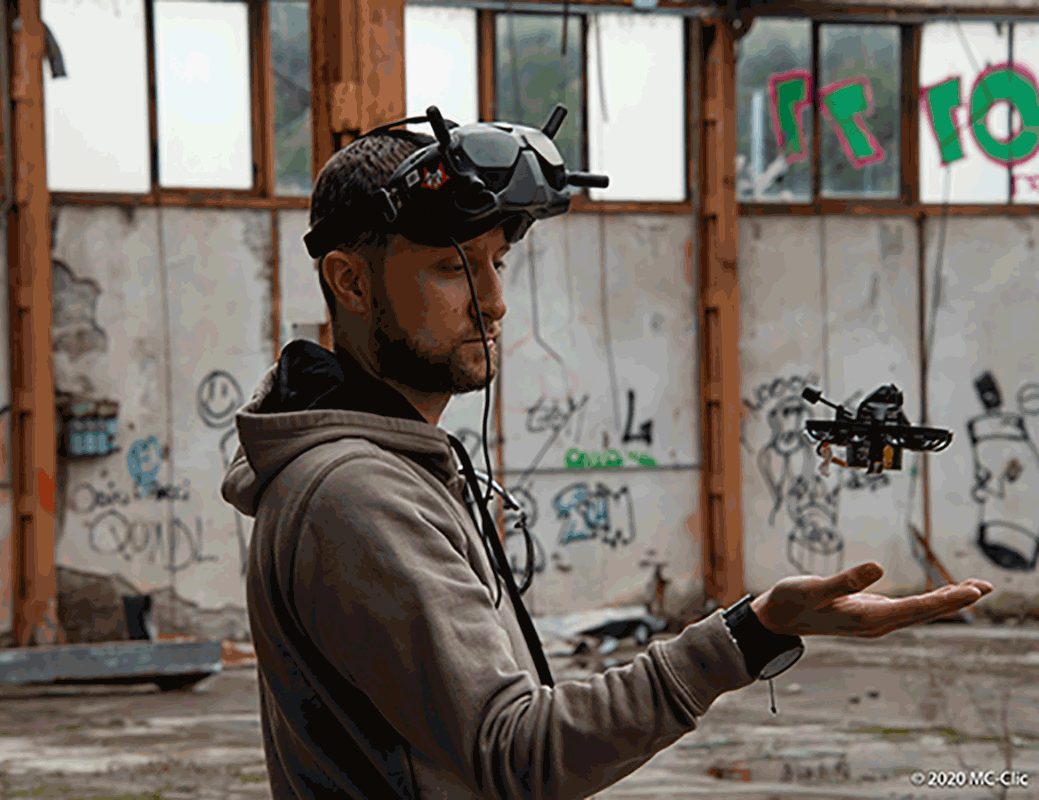
Erwan Grimaud conçoit des drones adaptés aux besoins de sa clientèle, capables par exemple d’explorer des espaces intérieurs. / © 2020 MC-CLIC
Drones en vue ! / Drones in sight!
The people of Monaco are well-acquainted with the drones that hover over the principality during important events. Erwan Grimaud, supplier to his Serene Highness the Sovereign Prince of Monaco, is a 30 year-old entrepreneur whose efforts have already been crowned with success. For Grimaud, it all started at age 12 when he was fascinated with both helicopters and his grandfather’s hobby: model-making. Together they equipped small-scale models with cameras…and the rest is history. Grimaud’s shop in Monaco now delights amateurs and professionals alike.
Eyeglasses that keep an eye on us
They look just like lightweight designer glasses, but these jewels of technology are chock-full of discreet sensors. The engineers and researchers at the Villeneuve-Loubet start-up Ellcie Healthy were right on target when they set out to develop smart, connected glasses. Their efforts have since been rewarded with an Innovation Award at CES 2019 in Las Vegas, and the French road safety innovation award in 2018, amongst others. According to Philippe Peyrard, who created Ellcie Healthy in 2016, “Preventing risks and improving people’s health and well-being are the most promising and motivating applications of new technologies in existence!” With more than 20,000 pairs sold since 2019, the company’s Serenity Eyewear line has definitely found its audience. Fifteen sensors in the arms and rims of the eyeglass frames measure physical, physiological and environmental factors and transmit data to be interpreted by the system’s artificial intelligence. The associated mobile app generates risk indicators, and an alarm alerts the driver falling asleep at the wheel. These intelligent eyeglasses also detect falls and contact the victim’s family or emergency units if the person is in danger.
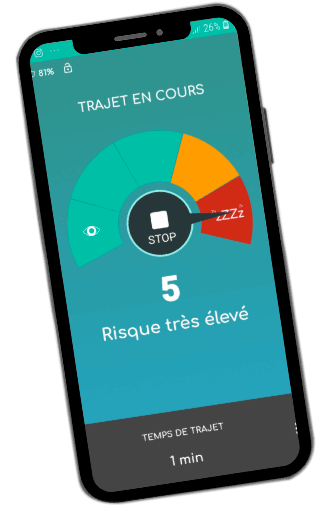
Associées à leur application mobile, ces lunettes connectées alertent le conducteur en cas de somnolence au volant.
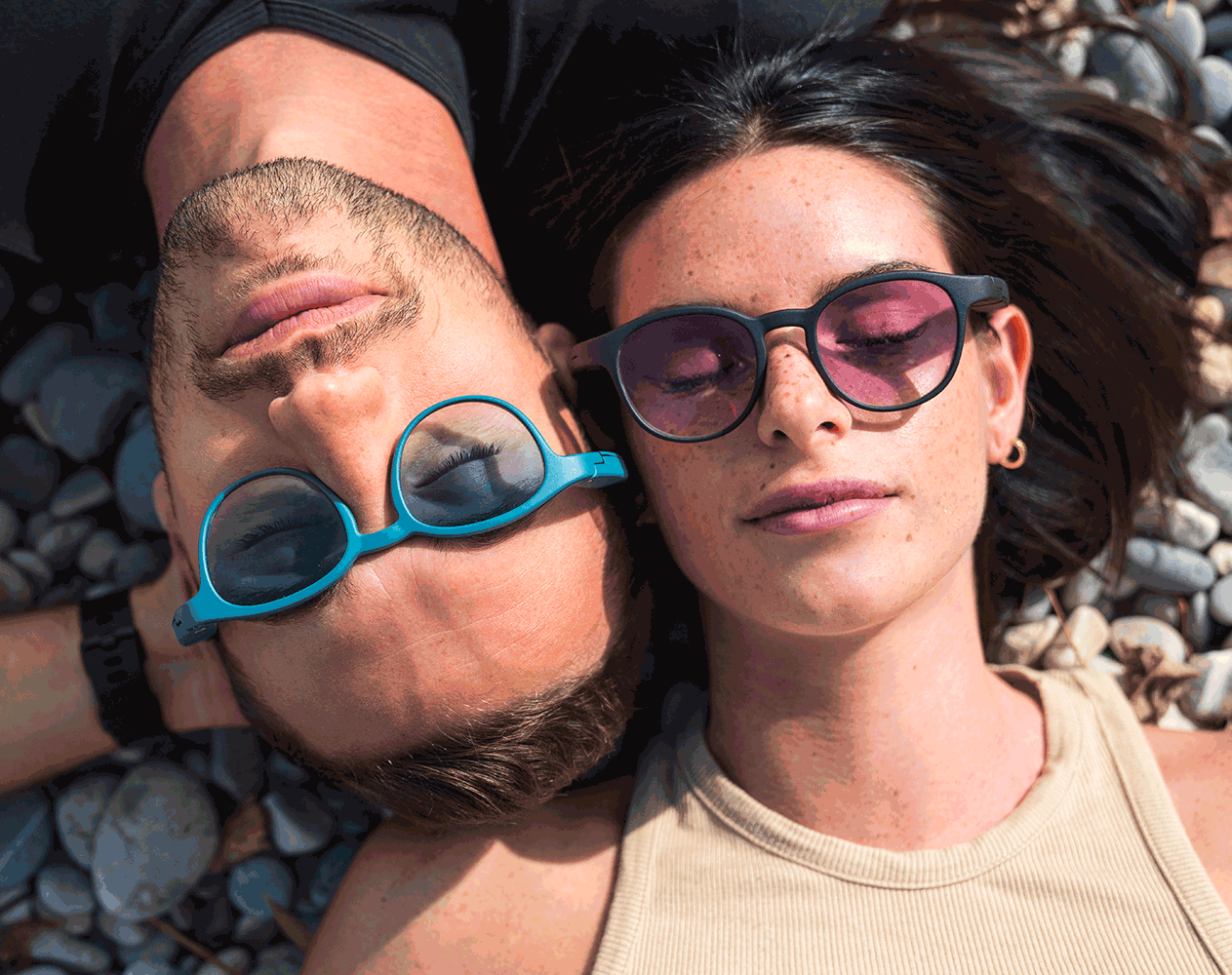
Les lunettes d’Ellcie-Healthy sont notamment distribuées chez Optic 2000 ou commercialisées en ligne.
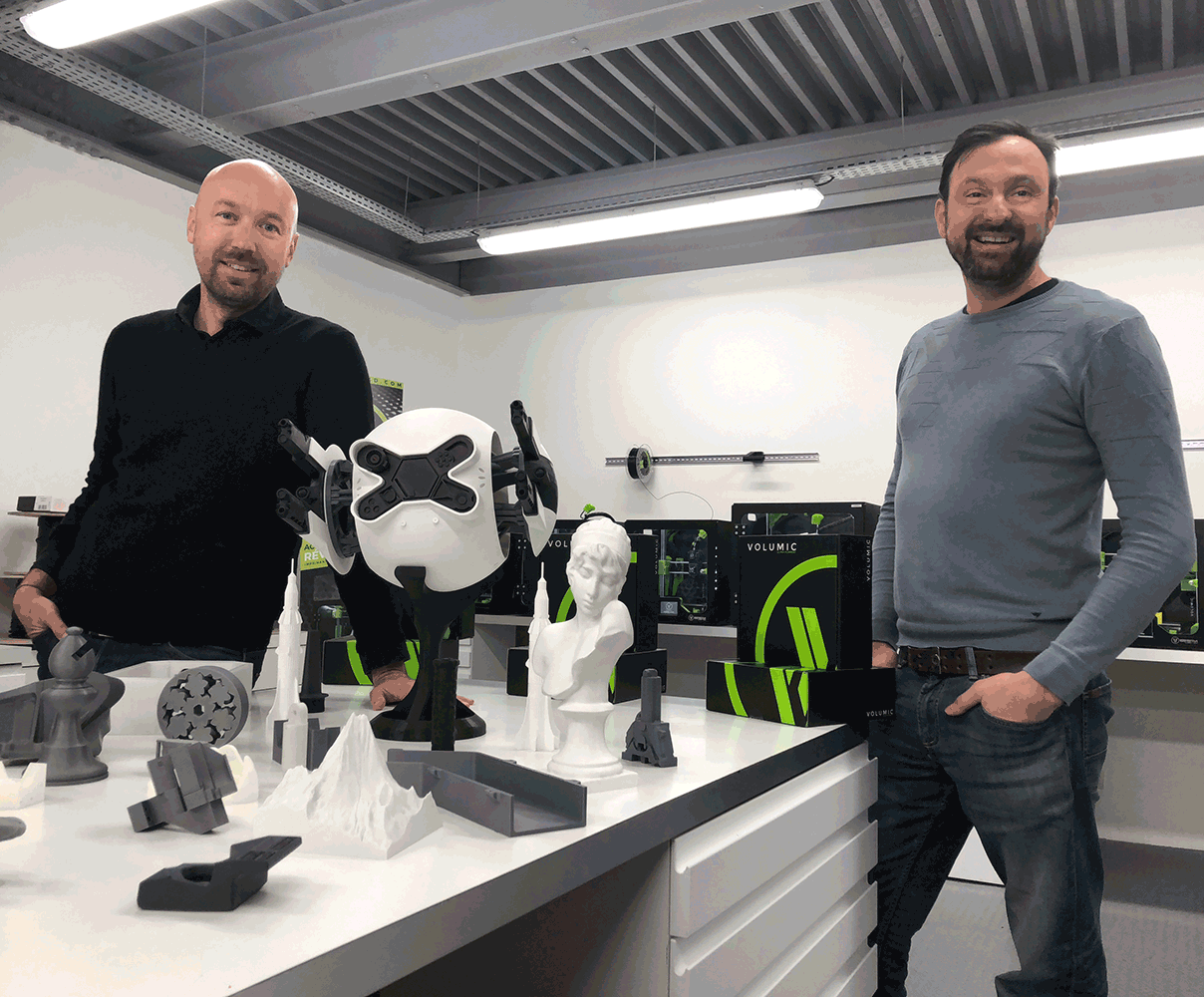
Stéphane Malaussena (à gauche) et Gérard Lupino, cofondateurs de Volumic 3D.
L’Ultra SC imprime en 3D plus de 50 matériaux biodégradables et recyclables, semi-précieux ou chargés de fibres de verre, carbone, kevlar…
Les mini-éprouvettes imprimées pour les tests de dépistage.
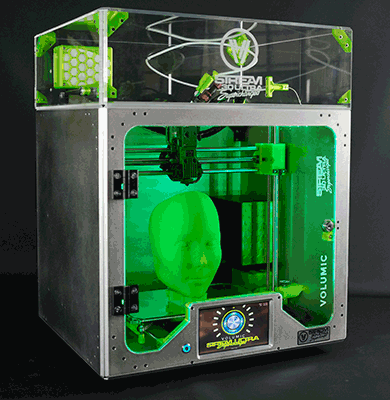
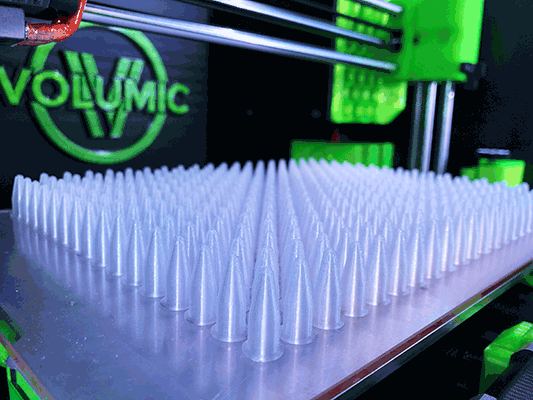
3D designed and 3D-printed a thousand test tubes for Cerballiance’s 600 laboratories, which had run out and could not continue Covid-19 testing. This was at the beginning of the first lock-down. In the end, the company located in Nice would produce, day and night, test tubes, face shields, respirator parts, etc. In normal times, Volumic 3D does not print upon request. As Stéphane Malaussena, cofounder of the company along with Gérard Lupino, explained: “Our core business is the production and sale of 3D printers. We also train customers if necessary. Ours was the first brand of 3D printer in France, and we focused on professionals.” It was a winning proposition: Volumic 3D has sold nearly 2,000 printers since its creation in 2014. Its customers are corporations, decorators, architects, prosthetists, etc. interested in printing 3D prototypes. “Volumic 3D is a French tech company and a French laboratory. We have remained faithful to our initial values; we are attached to ‘Made in France’ products and were thus chosen to represent the Alpes-Maritimes department at the Grande Exposition du Fabriqué en France at the Elysée last January.” The company is proud of this distinction and of the two CES 2020 awards it received in Las Vegas for its newest product, Ultra SC, and its eco-friendly practices.
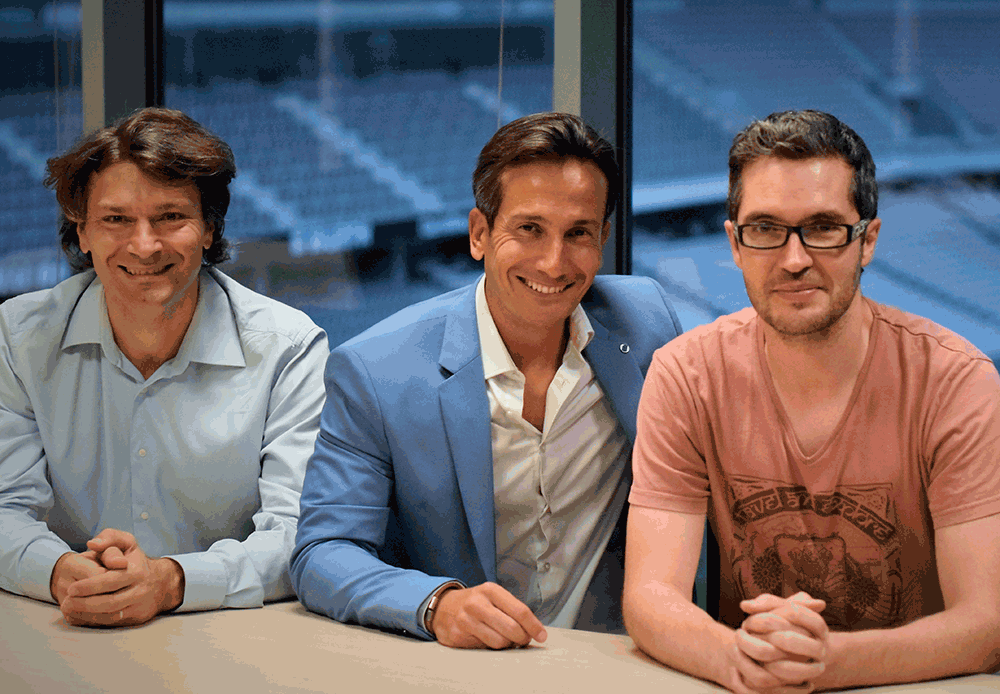
Les cofondateurs d’ExactCure : Fabien Astic, Frédéric Dayan et Sylvain Benito (de g. à dr).
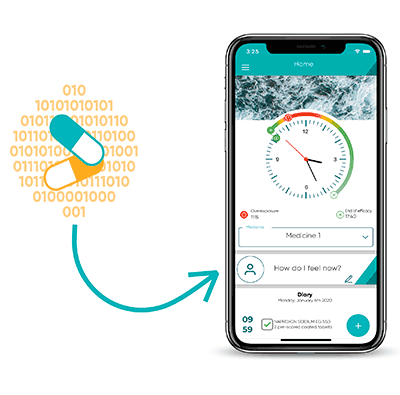
ExactCure
The proper dosage thanks to your digital twin
This start-up located at 27 Delvalle, Nice’s connected health innovation incubator, is a gem in the HealthTech sector. Since its creation in 2018, the company has developed an innovative concept: anticipate the effects of medicines on patients by first testing them on a ‘digital twin’, or avatar, created with personal data such as age, weight, height, bloodwork, liver and kidney functioning, genetic data, etc. “Each year, in France alone, there are between 10,000 and 30,000 deaths associated with medication. Our goal is to avoid under-dosing, overdosing and harmful interactions between medicines”, explained Fabien Astic, who founded ExactCure along with Frédéric Dayan and Sylvain Benito. Their solution is based on artificial intelligence and powerful customised mathematical bio-models. Yet ExactCure is easy to use. Patients can access the tool with a mobile app, while healthcare professionals have at their disposal a computer-based version to help them adapt prescribed dosages to the individual patient. Now being experimented in some teaching hospitals in conjunction with Vidal Sentinel, ExactCure is a promising new tool for medicine!
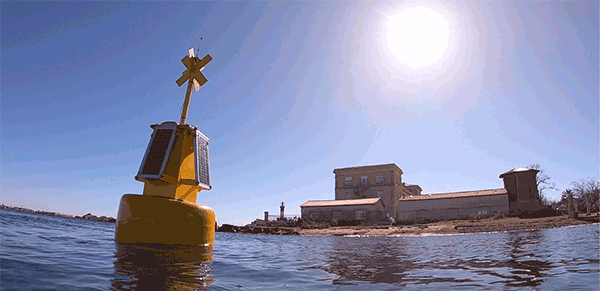
La station AquaREAL permet de surveiller la qualité de l’eau en temps réel.
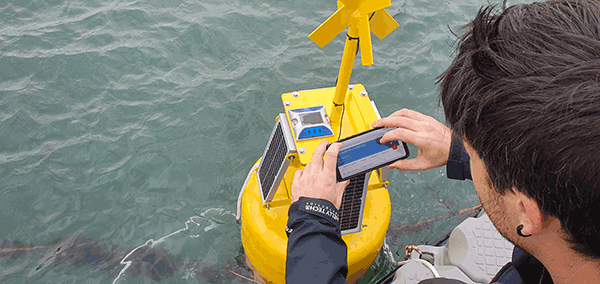
Passionate about the ocean







 Côteweb 2021, création de site Internet sur Nice