


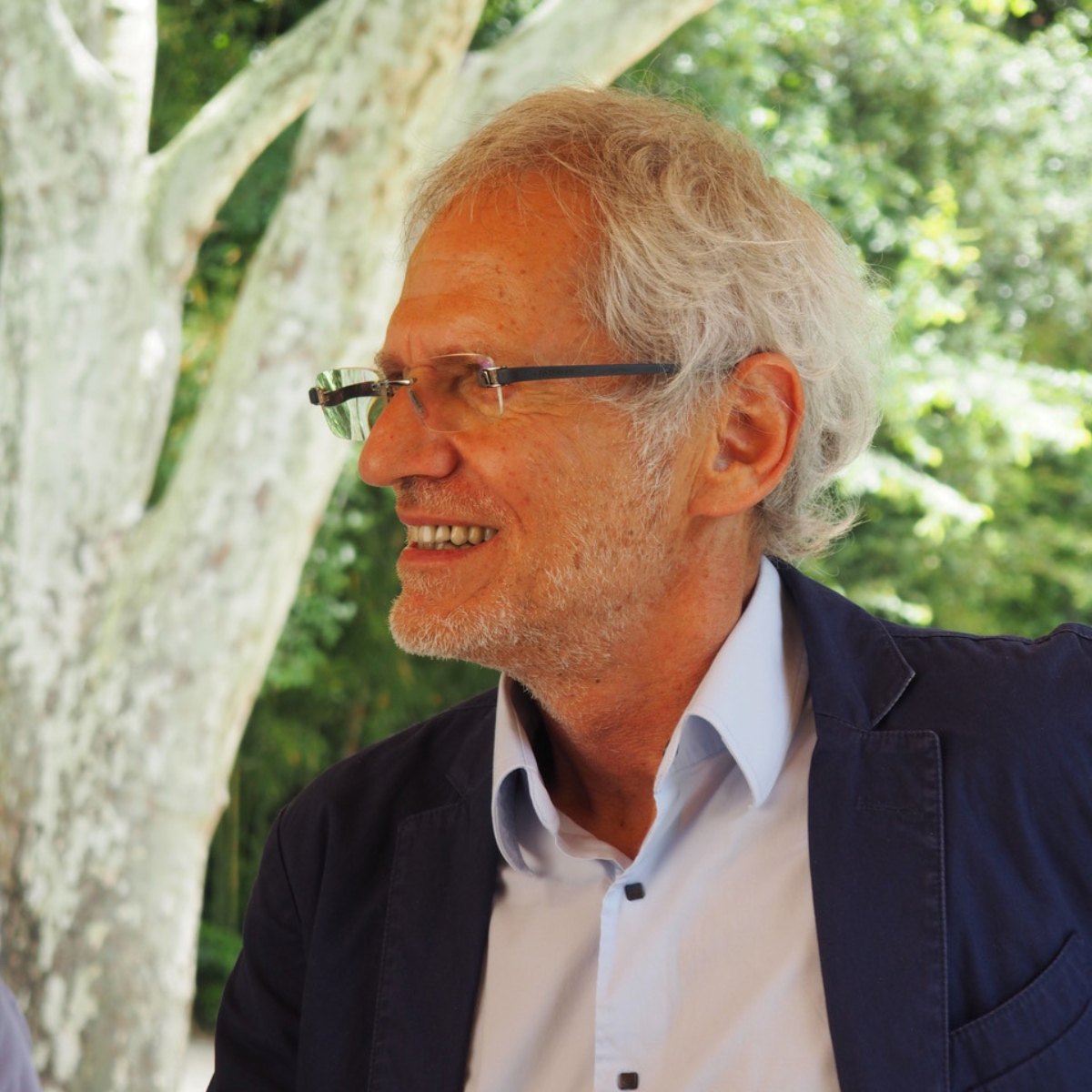
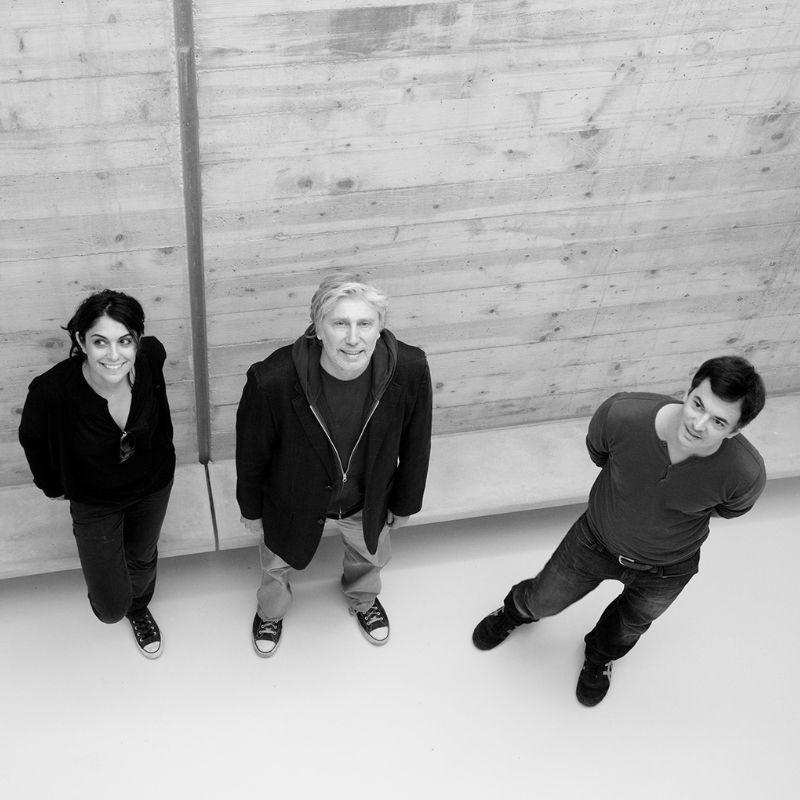
Specialised in designing public buildings and amenities, Sophie Nivaggioni, whose day centre for the homeless took the ArchiCOTE 2013 Special Prize, promotes the benefits of quality architecture for everyone.
What was your first big project?
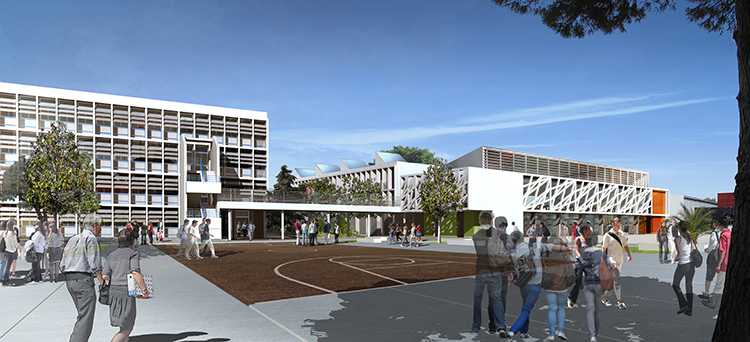
The first "with my name on it" was designing the Ballets de Monte-Carlo's studios in 1997, for which we won the competition with Daniel Raymond. It was a lovely project, and a joy to work with Jean-Christophe Maillot, the Ballet's director. He understands space because he's always working with it on stage, peopling it, so he had a real understanding of the plans. Then with Jean-Philippe Cabane and Sylvie Rossi we won the competition for designing the gymnasium for the Port Lympia high school in Nice.
Was that when you started specialising in public buildings and amenities?
Yes, because it gave me what I wanted from my profession. I enjoy competitions, I find they're an enjoyable way of working because there's real pressure: you're all by yourself and you have to find solutions. That's true freedom. Then the diversity of projects makes it interesting: going from a school to a retirement home or a homeless centre such as the XVe Corps means you meet different people with different sets of problems. It's interesting too to see other architects' work; you think you've found the only solution then you see that other approaches are possible and just as valid.
Are all your projects contemporary in style?
Yes, always; I have no other style and I don't do pastiche. Plus competitions permit things that private developers wouldn't necessarily, because they probably want to sell fast and what sells is what everyone wants. In public projects you can go further, it's very experimental. Aside from user comfort and administrative ease, we're free to express ourselves as we want, there's nothing at stake, no sale, no client feedback. So some very interesting developments are spawned, such as Marc Barani's 80 social housing units at L'Ariane, which won the 2013 National Architecture Grand Prix. Developments that can alter a district's image and change its residents' lives.
A social role then?
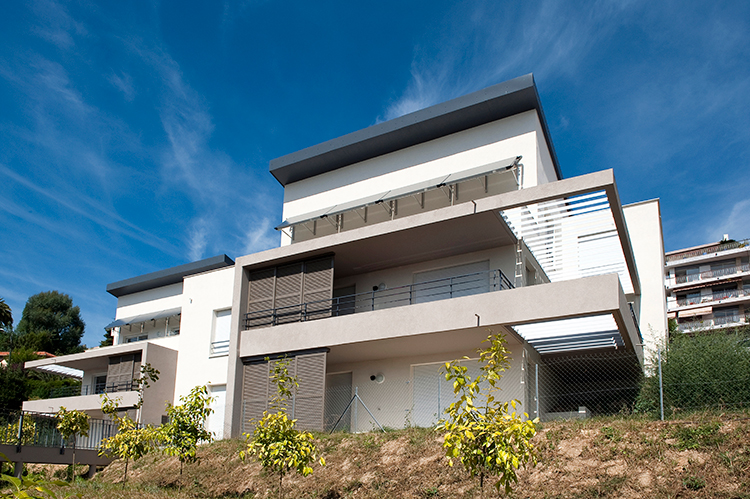
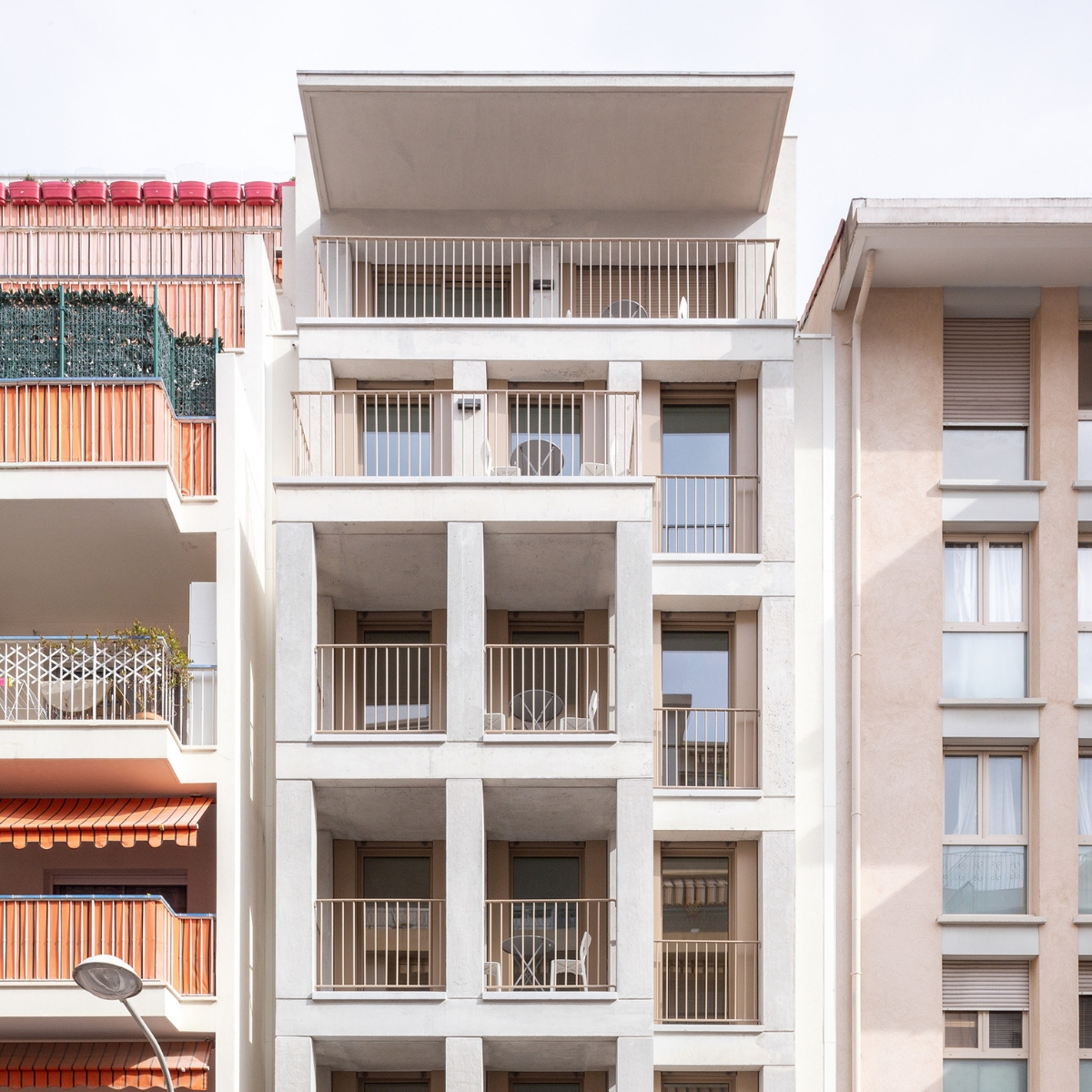
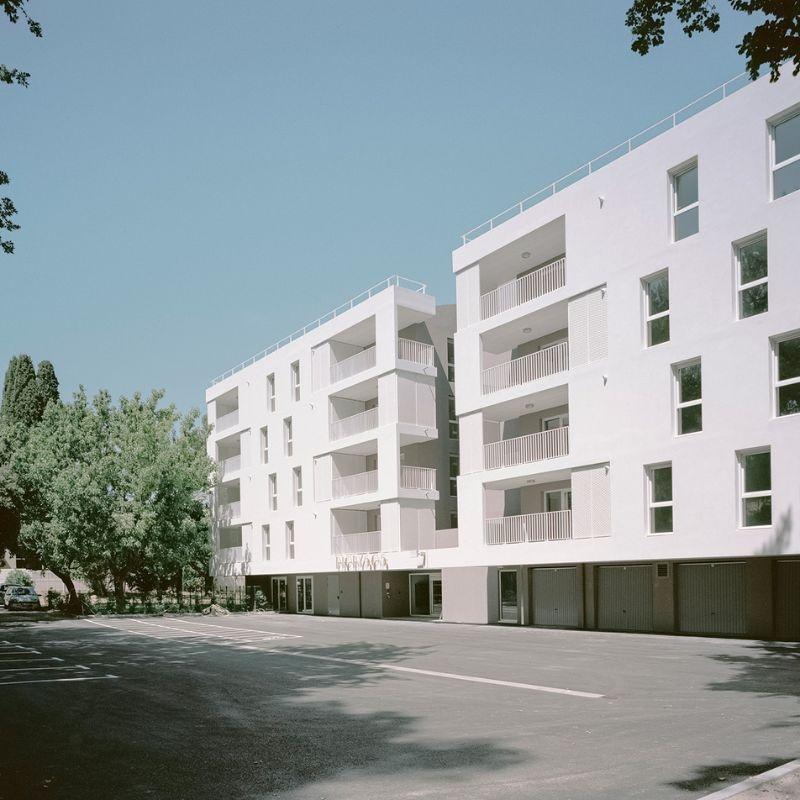
Yes, I really believe in that! It has to work like that. Today we're pulling down what was done years ago with mistakes, but that won't stop us making others. Architecture enables us to create social links and that's how we should think about projects so that everyone can benefit. I've just delivered some social housing on Boulevard Paul-Montel, Nice, opposite Les Moulins. We've created nice proportions and surface areas; the building is raised so as to open up the apartments and make them lighter; almost all have dual exposures and broad terraces with private corners hidden behind brise-soleils, which means you can dry washing without impacting on the building's outward appearance and so degrading the image of social housing. In fact we've done everything to give the residents good-quality, well-thought-out architecture. When I went back the caretaker told me: "Oh, it's lovely living here!" That's very rewarding for me.
And the XVe Corps day centre that won the ArchiCOTE Special Prize?
This centre for the homeless provides showers, meals and facilities for washing and drying clothes. It proves we don't have to have two-tier architecture, particularly when it's for destitute people and staff whose life isn't easy. We owe them dignity and comfort; that too is the architect's remit.

 Côteweb 2021, création de site Internet sur Nice