


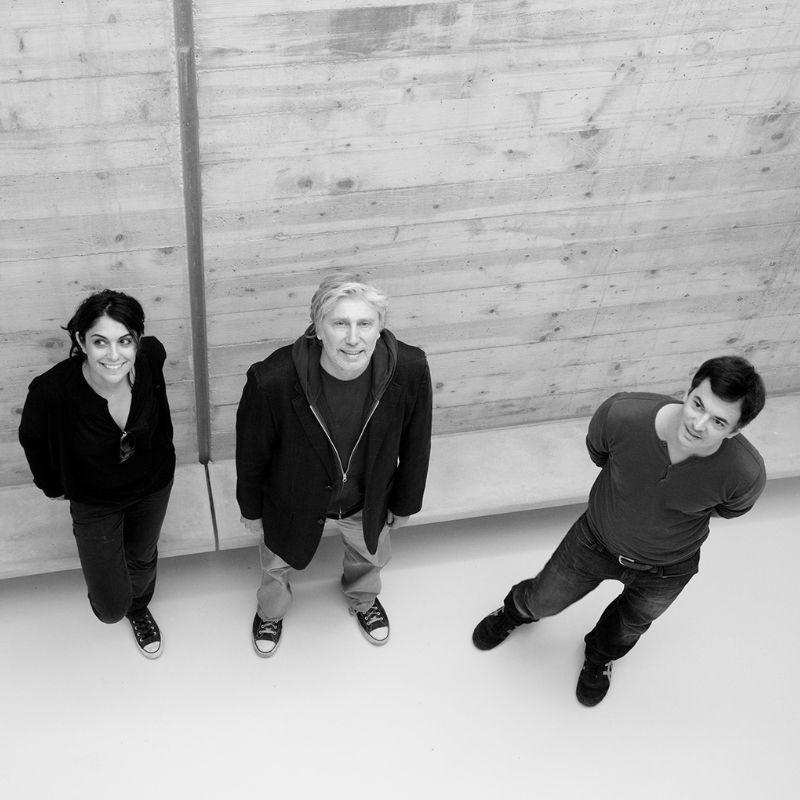
The winners of the 2017 Amenity Prize have specialised their practice in public works. A choice with meaning.
How and where did you meet?
Aline Hannouz: In Paris, at the Architecture-Studio practice that functions as an incubator to enable one-off collaborations for competitions and public commissions. That was in the 90s; two years later we went into partnership.
Does that explain your present specialisation?
AH: Absolutely. Our practice works essentially on public works – university, school, sports centre, nursery....
Why?
AH: For each project you have to understand how things function, people's concerns. I can say now that I've discovered ways of functioning I never suspected. The "public good" isn't an empty concept, it has meaning. Fabrice Janneau: In the public sector, building acquires a certain legitimacy whereas in the private sector we're often given the impression that construction is bad, it spoils the site.
It was indeed a public commission that won you the ArchiCOTE competition's Amenity Prize.
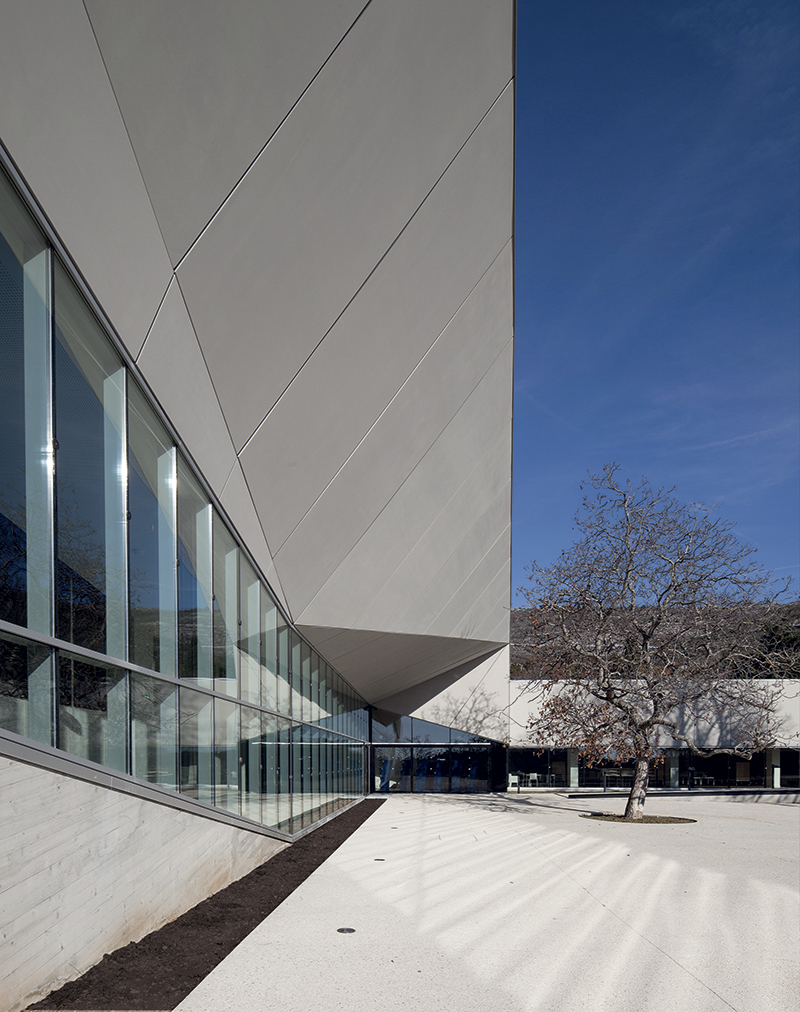
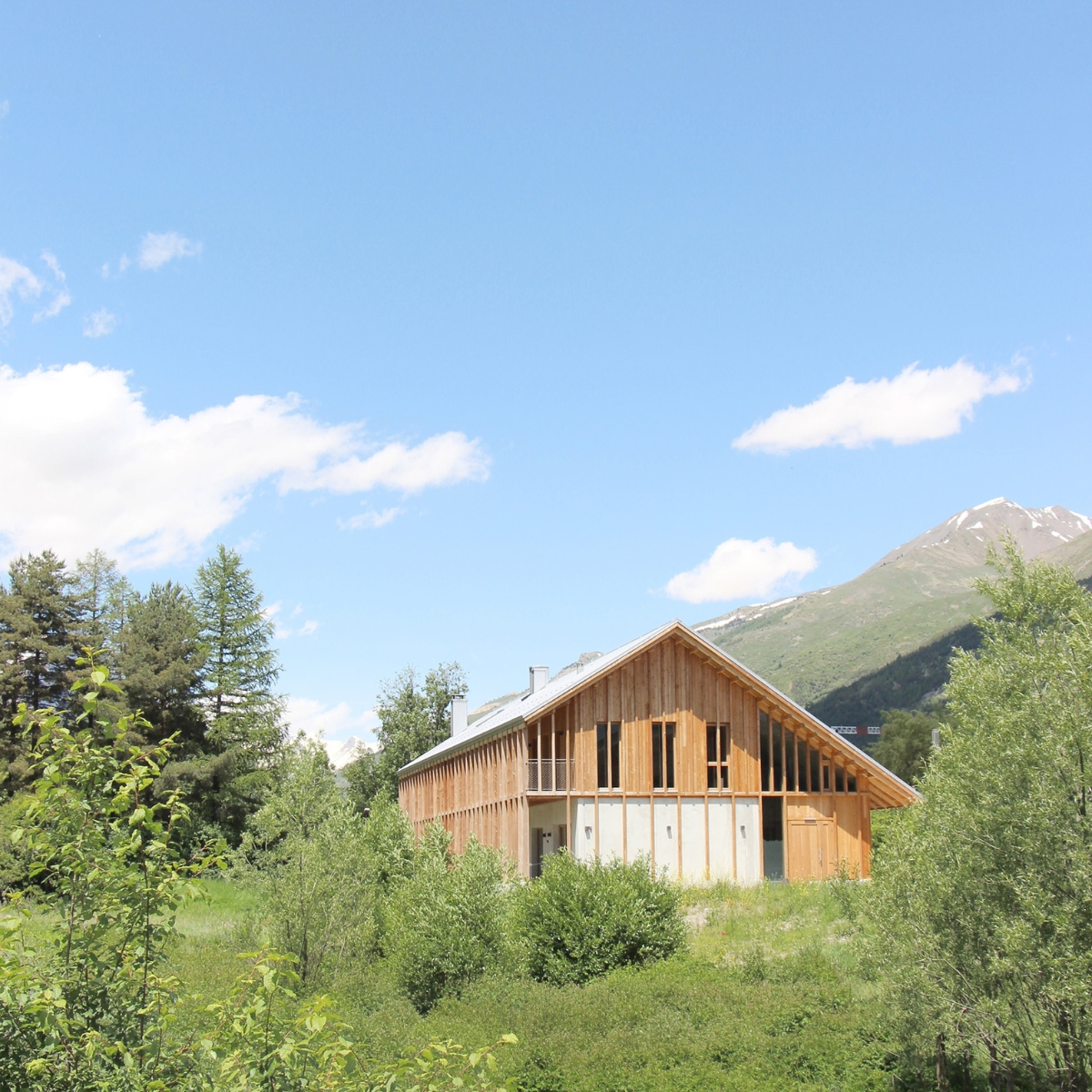
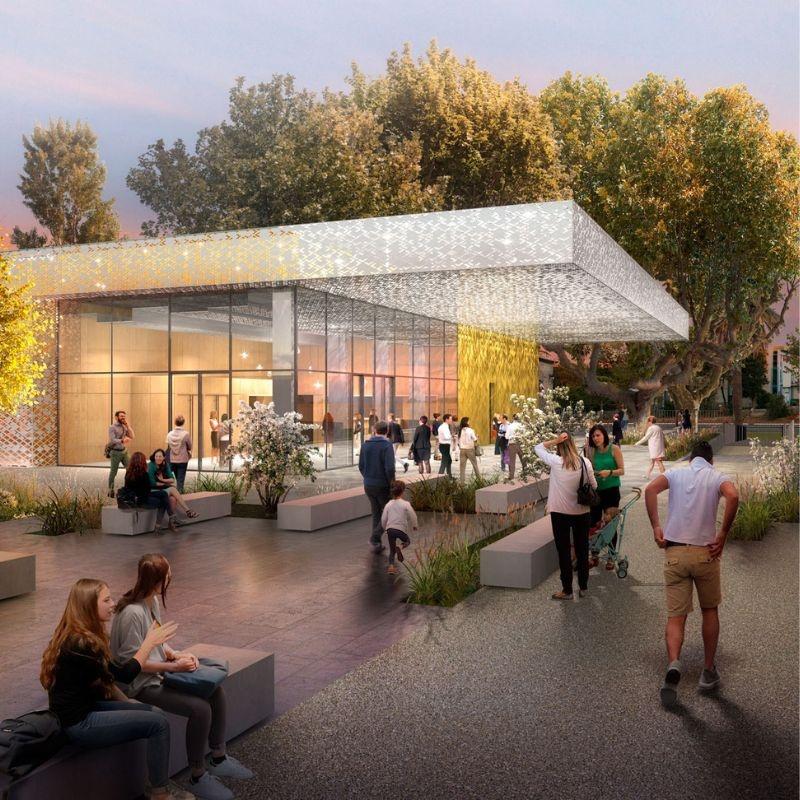
FJ: Yes, the Saint-Vallier-de-Thiey community centre housing a media library and activity room, a multipurpose hall, the Tourist Office and accommodation for a caretaker.
AH: We see integrating buildings into their surroundings as important. A project's quality rests initially on that: independent of architectural merit, the way you place it in its context is fundamental. In my opinion that is what will make it timeless.
But isn't there a divide between contemporary architecture and respect for context and landscape?
FJ: Not at all! We can even say this style of architecture is made for revealing the landscape, as land art can. Unfortunately, France is rather cautious. There are many architects who stick with a trend we might call "Moderno", meaning constantly regurgitating the Le Corbusier style that in point of fact doesn't interact with context. That's just as sectarian as not wanting to know about modernity. We try to position ourselves otherwise, neither pastiching nor repeating a modern vocabulary in the strict sense.
What are you presently working on?
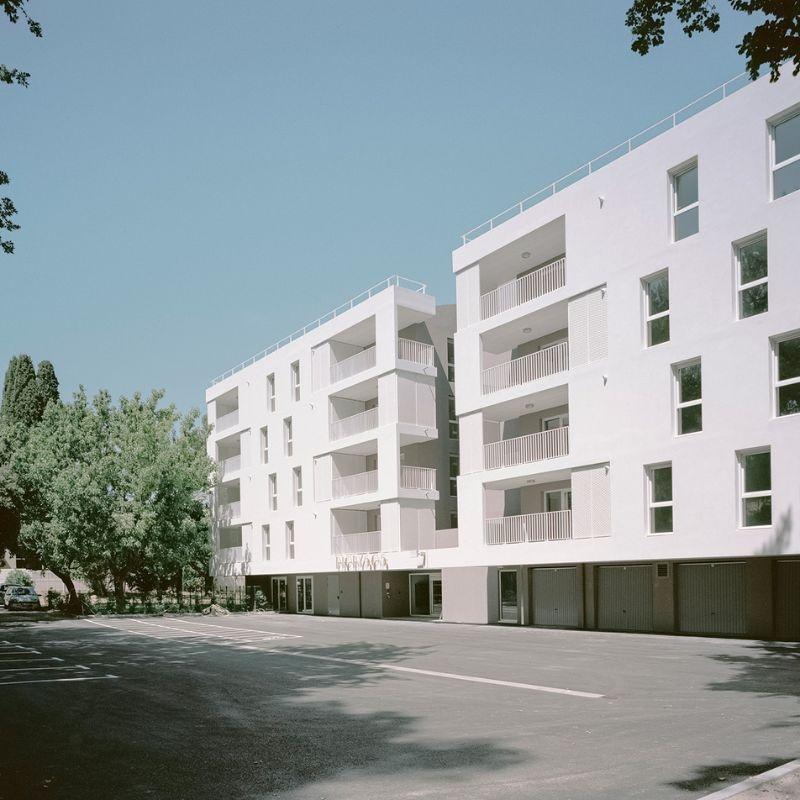
AH: A project for settled travellers, building homes in Toulon for them. It's a non-standard commission demanding a special management of space; for example, we couldn't build on certain "sanctified" areas because there had been murders there.
FL: And we had to avoid putting people who didn't
get on next door to each other! We needed to do some Rubik’s Cube manipulation so people could be in proximity without actually seeing each other. It's in this type of case that you see what is really inherent in architecture; it's all about people, the groups, good terms, bad terms, ways of circulating, etc.
Can we talk of a signature?
FJ: No, because the best project is always to come!
AH: Each project has its own characteristics. The construction choice derives from a set of factors – the project as a whole, the budget, the schedule... – so it's difficult to isolate one particular aspect.
Par Alexandre Benoist

 Côteweb 2021, création de site Internet sur Nice