


Contemporary art.
Concrete wires, metal lines
From leisure accessories to cooking ingredients, materials and objects are increasingly being diverted from their primary use to contemporary art. We zoom in on two artists from Nice.
By Tanja Stojanov
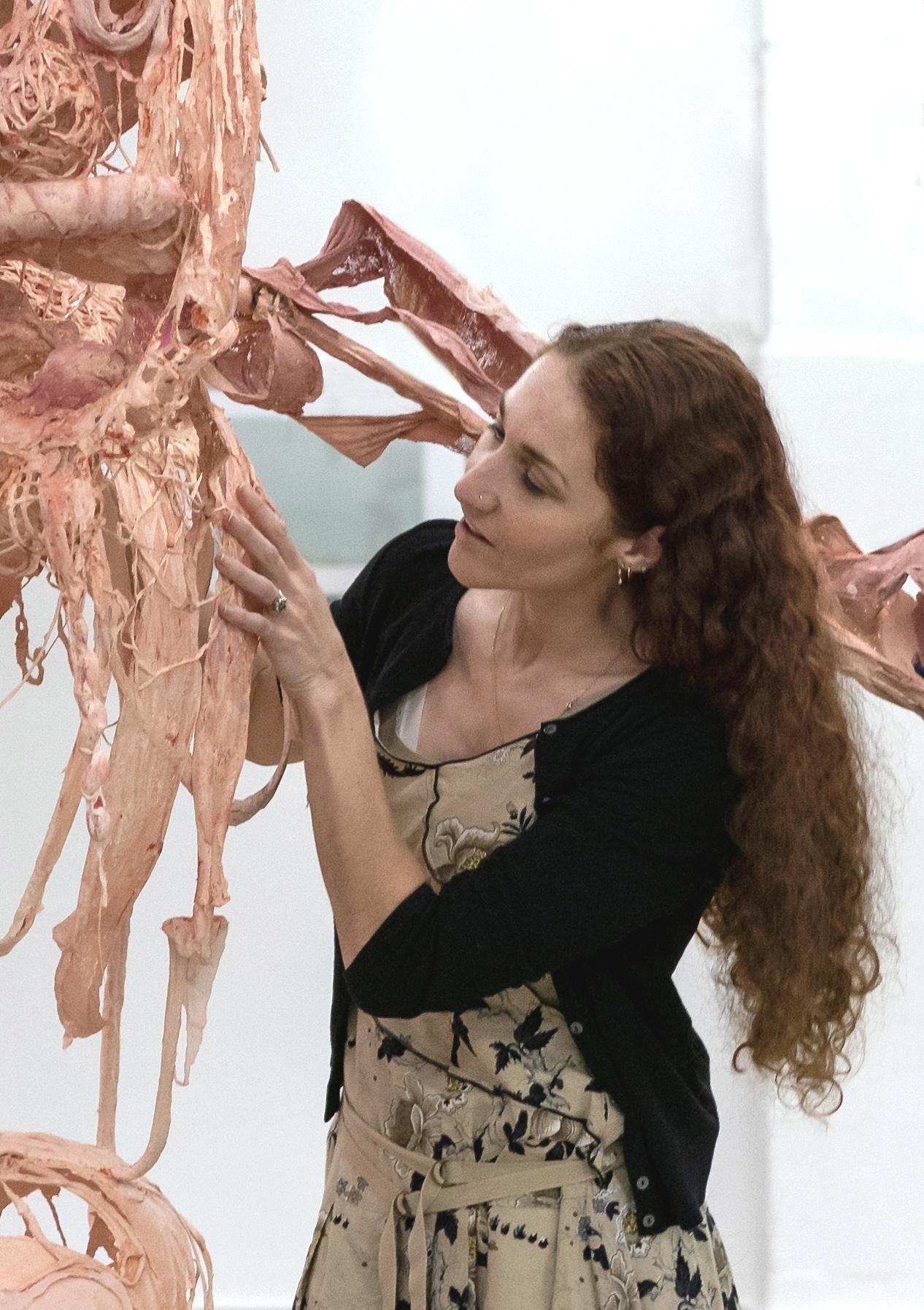
Portrait de l’artiste, dont les créatures en béton filaire appellent au toucher.© Frédéric Pasquini
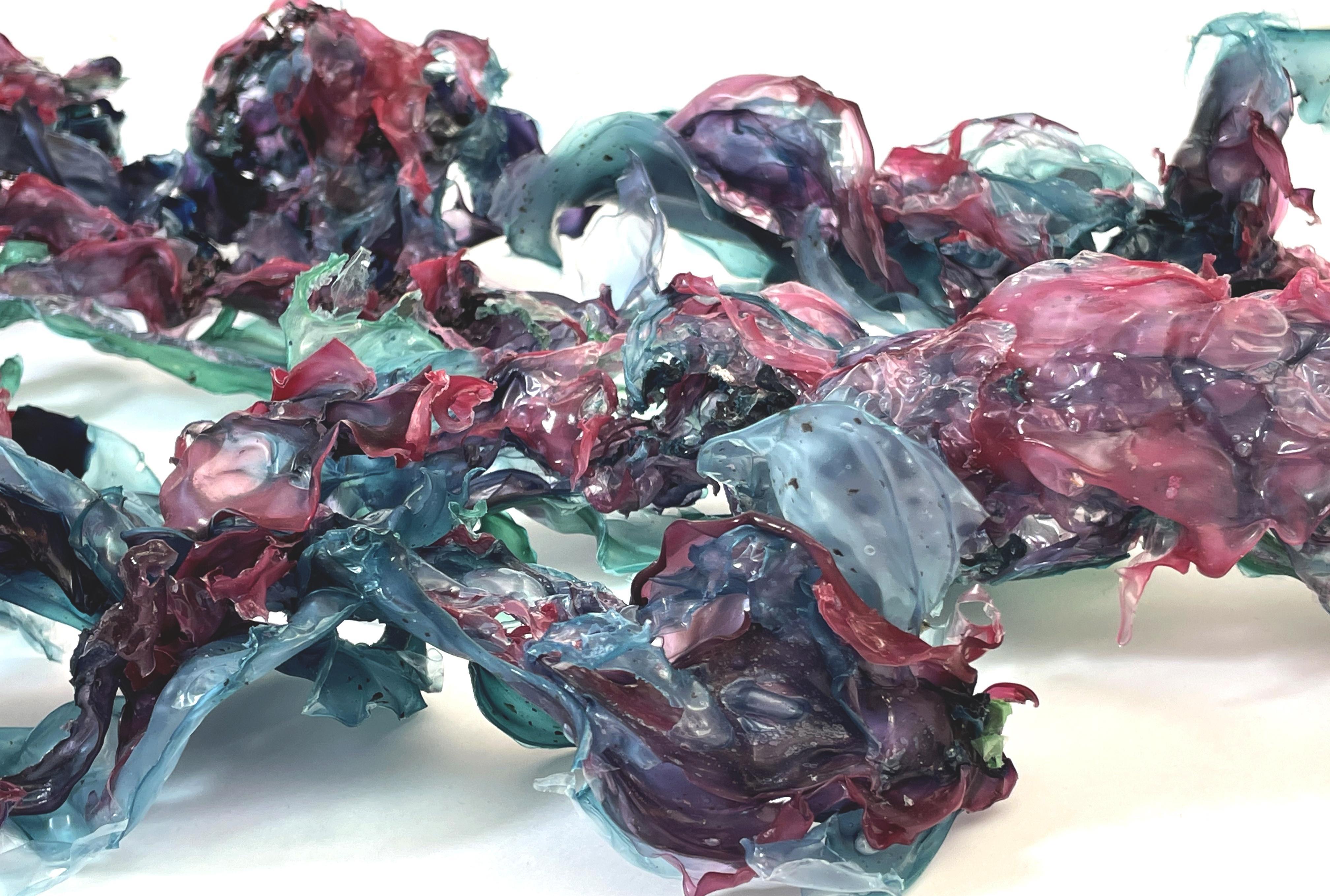
Détail de La Mémoire de l’eau.
Marie Larroque-Daran
Like agar-agar lace
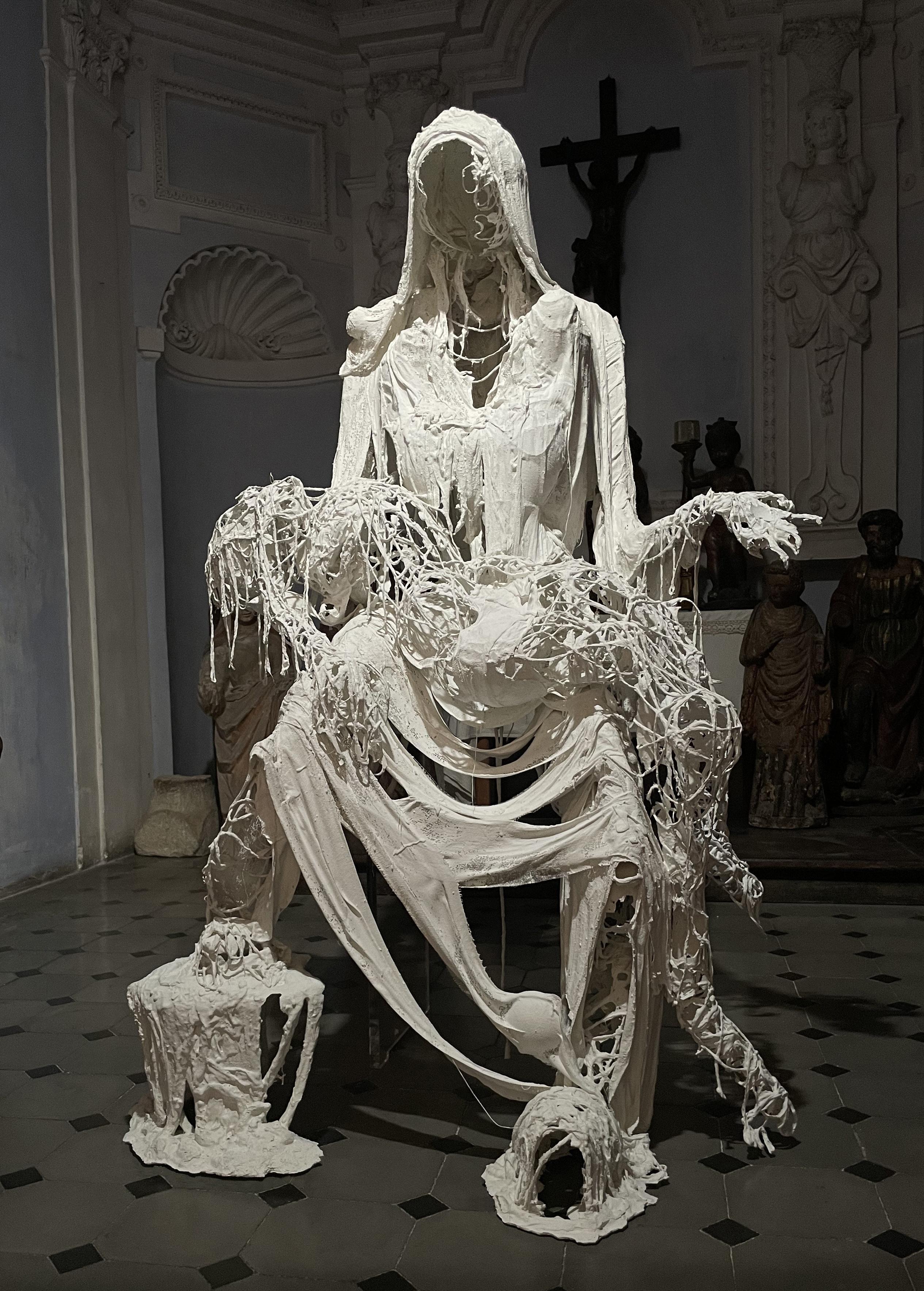
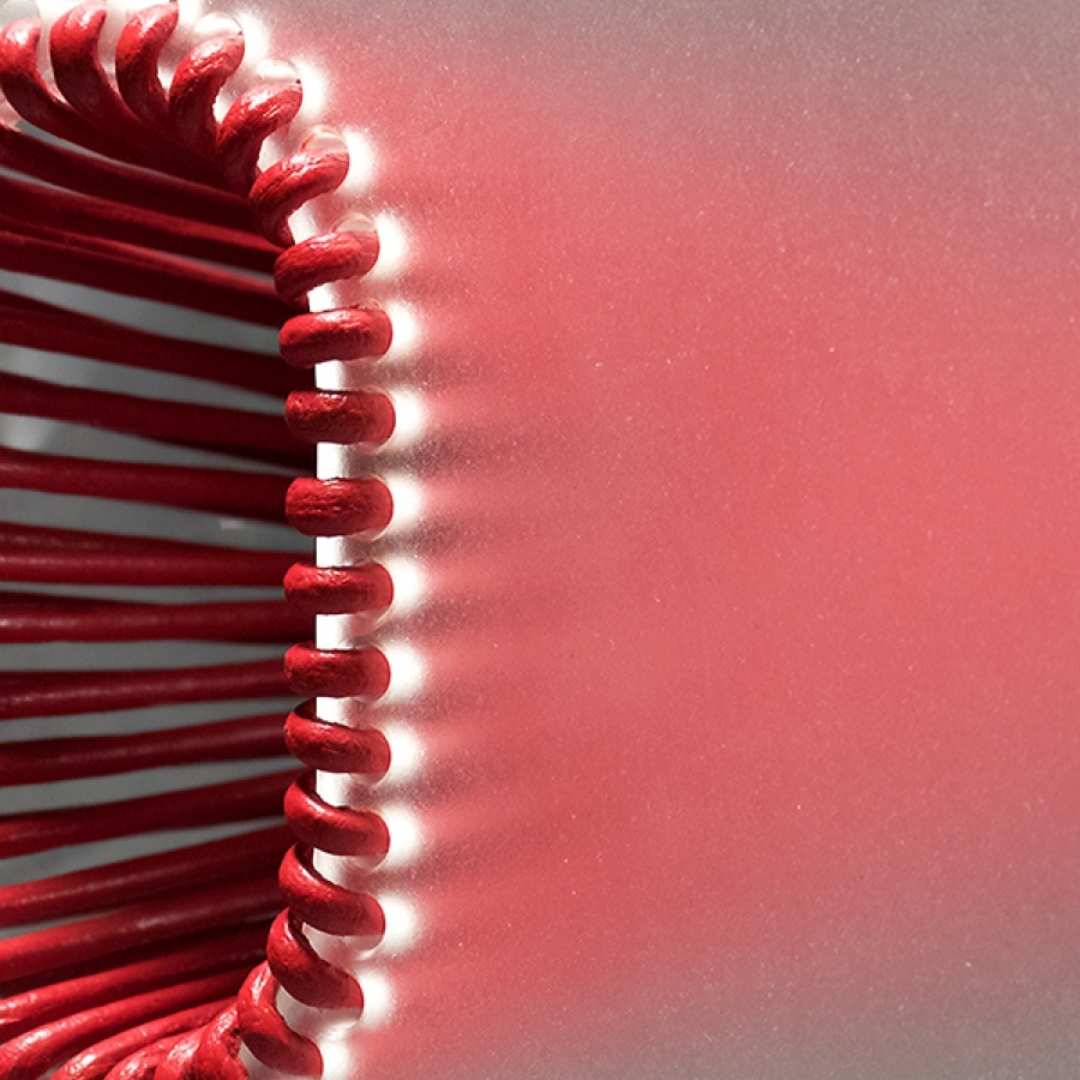
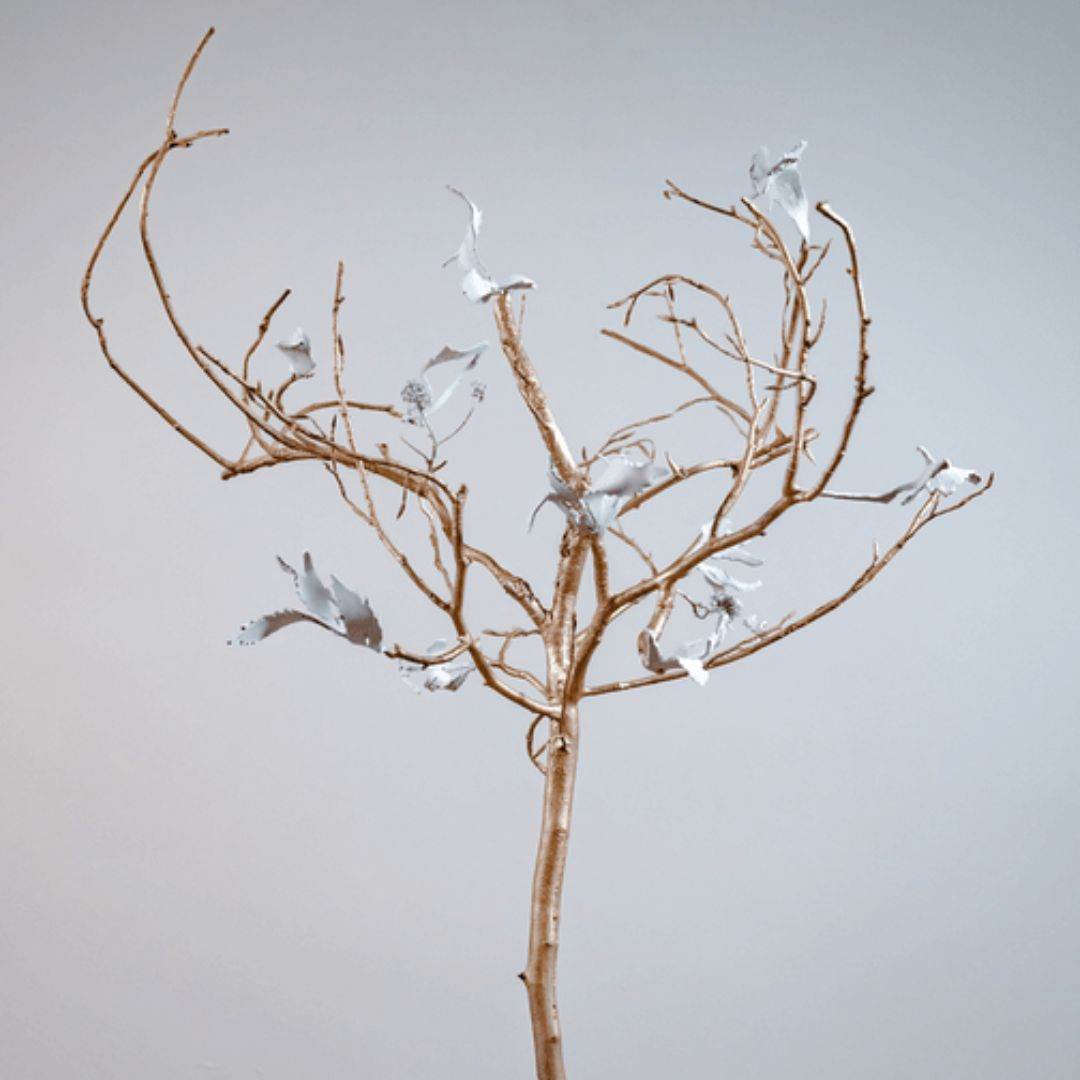
She has this materials intelligence that pushes her to always be on the lookout for new techniques. The Toulouse-born visual artist, who lives and works in Nice, sculpts the void with woollen threads dipped in baths of coloured concrete. A process of 3D dripping, of crude weaving, her body engaged in a dance that she sometimes shows on video. Sometimes human figures are born, sometimes extraordinary creatures like the Alphame that she hung at Le 109 in Nice for the Aux Frontières du Vivant exhibition in 2020. A nod to the alpha, of course, the first letter of the Greek alphabet, and also to women. Playing on the ambiguity of words, as do all Marie Larroque-Daran’s creations, the repertoires of meaning and nonsense, and in which humour plays a liberating role. This summer, the artist presents her Piéta in wired concrete in a group exhibition at the Château-Musée de Cagnes-sur-Mer, before unfurling her solo-show at the Museum d’Histoire Naturelle de Nice from 16 September. There, she will explore the world of cephalopods in agar-agar—quite a surprising medium. A colourful work of opacities and transparencies that refers to the skin and the viscerally organic aspect of her artistry.
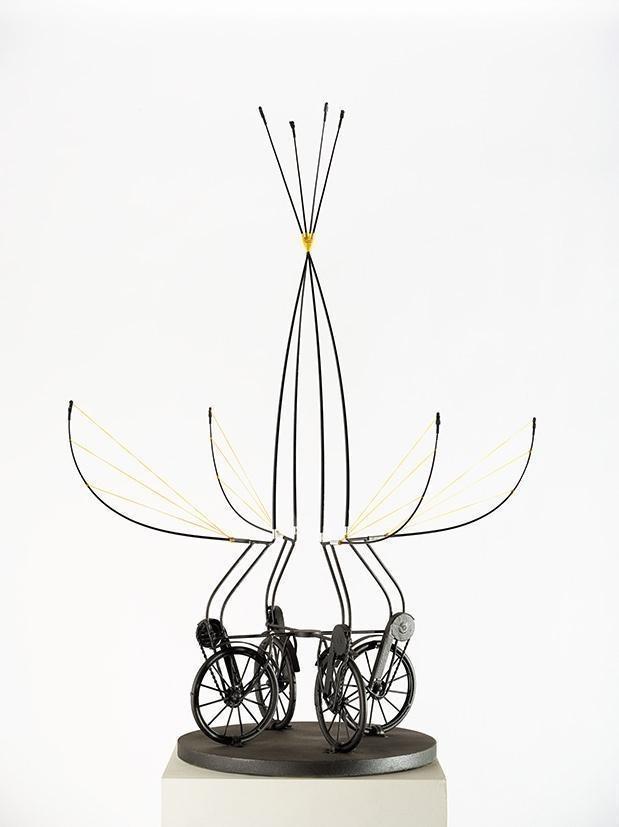
Grâce à des lignes élancées, l’artiste invite à s’interroger sur l’espace de chaque sculpture.© François Fernandez
Martin Caminiti
Bikes from floor to ceiling
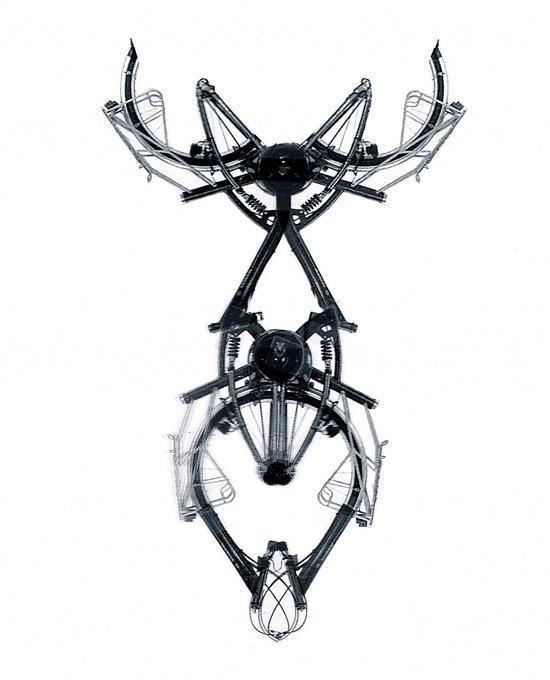
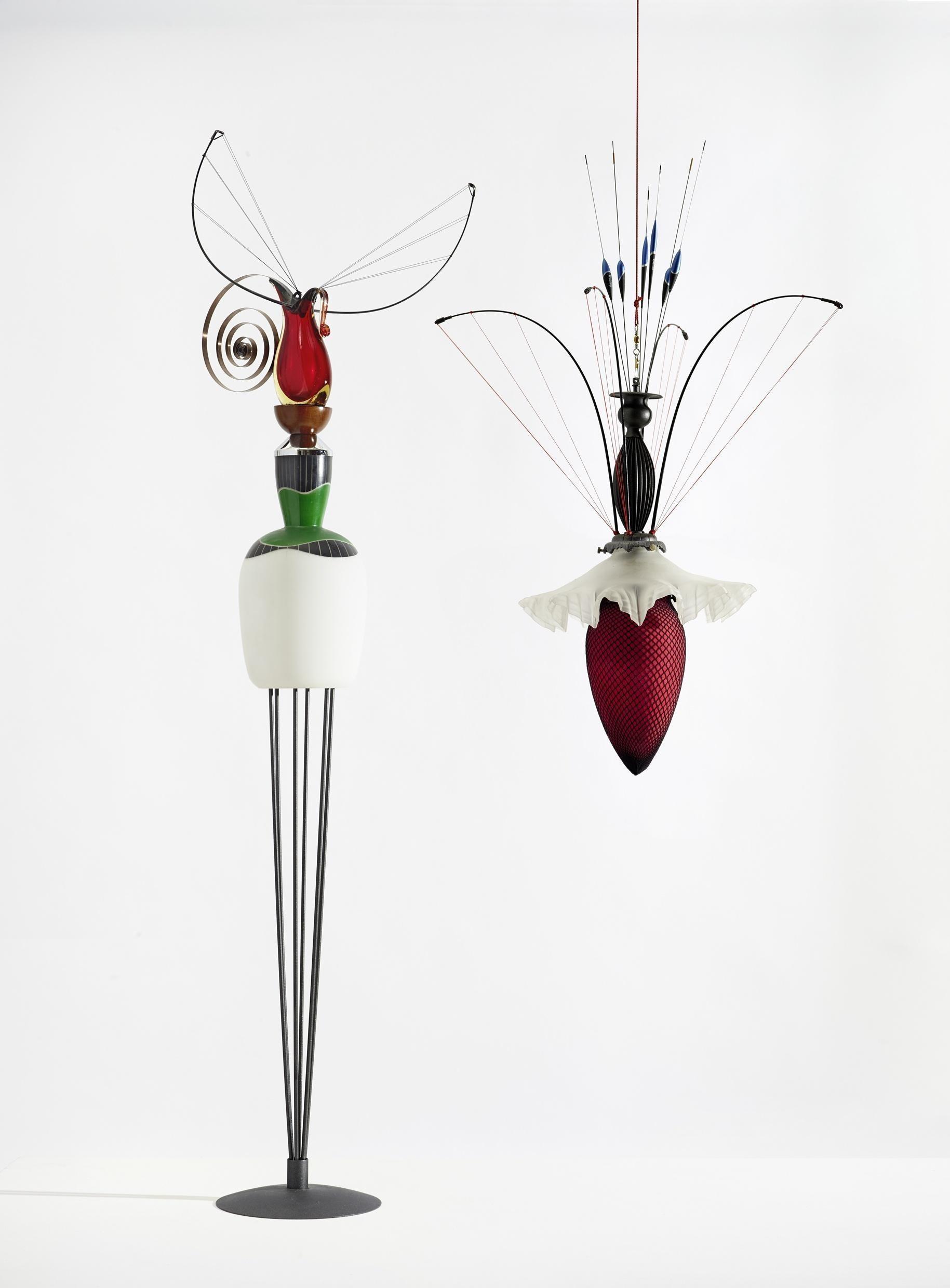
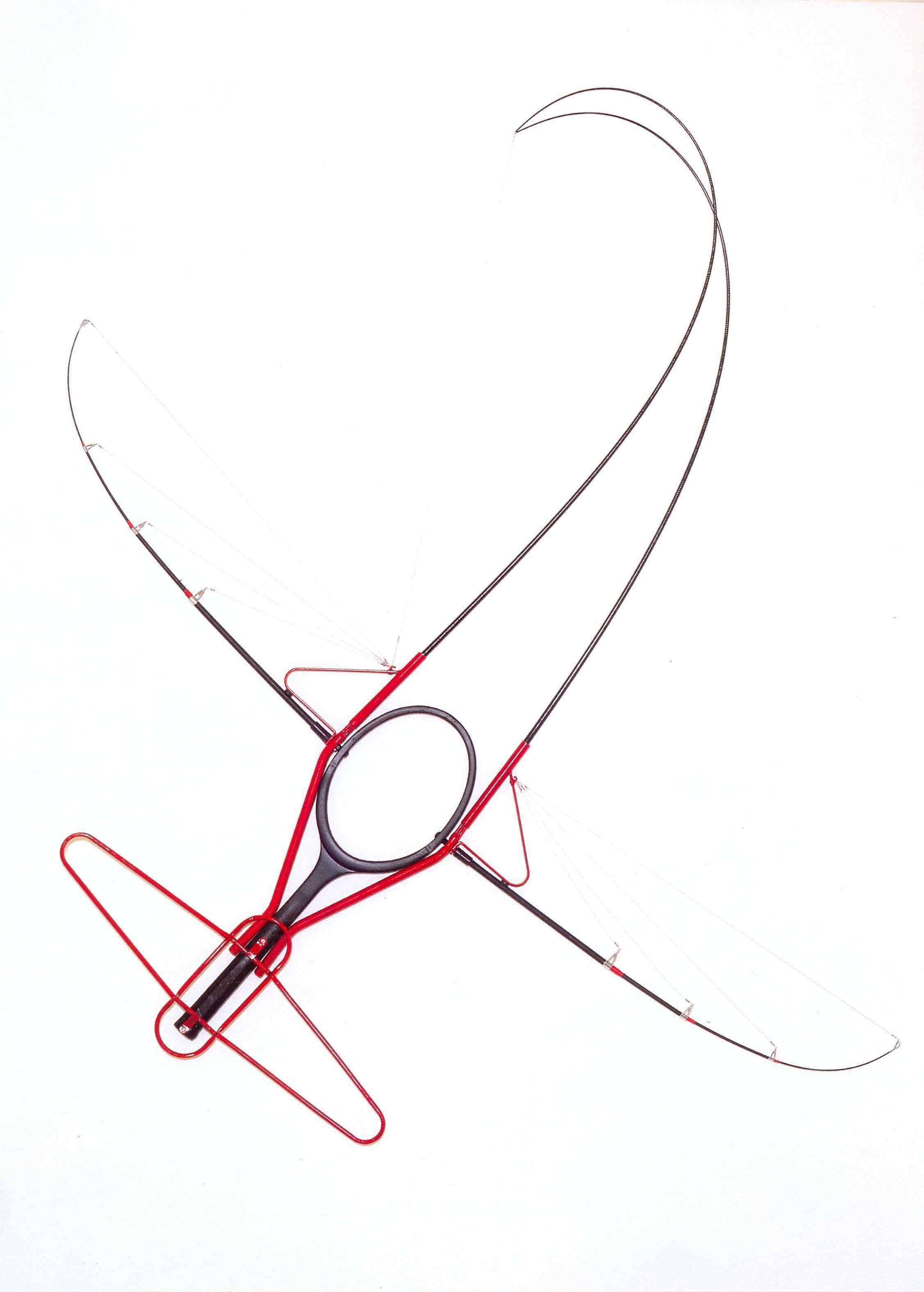
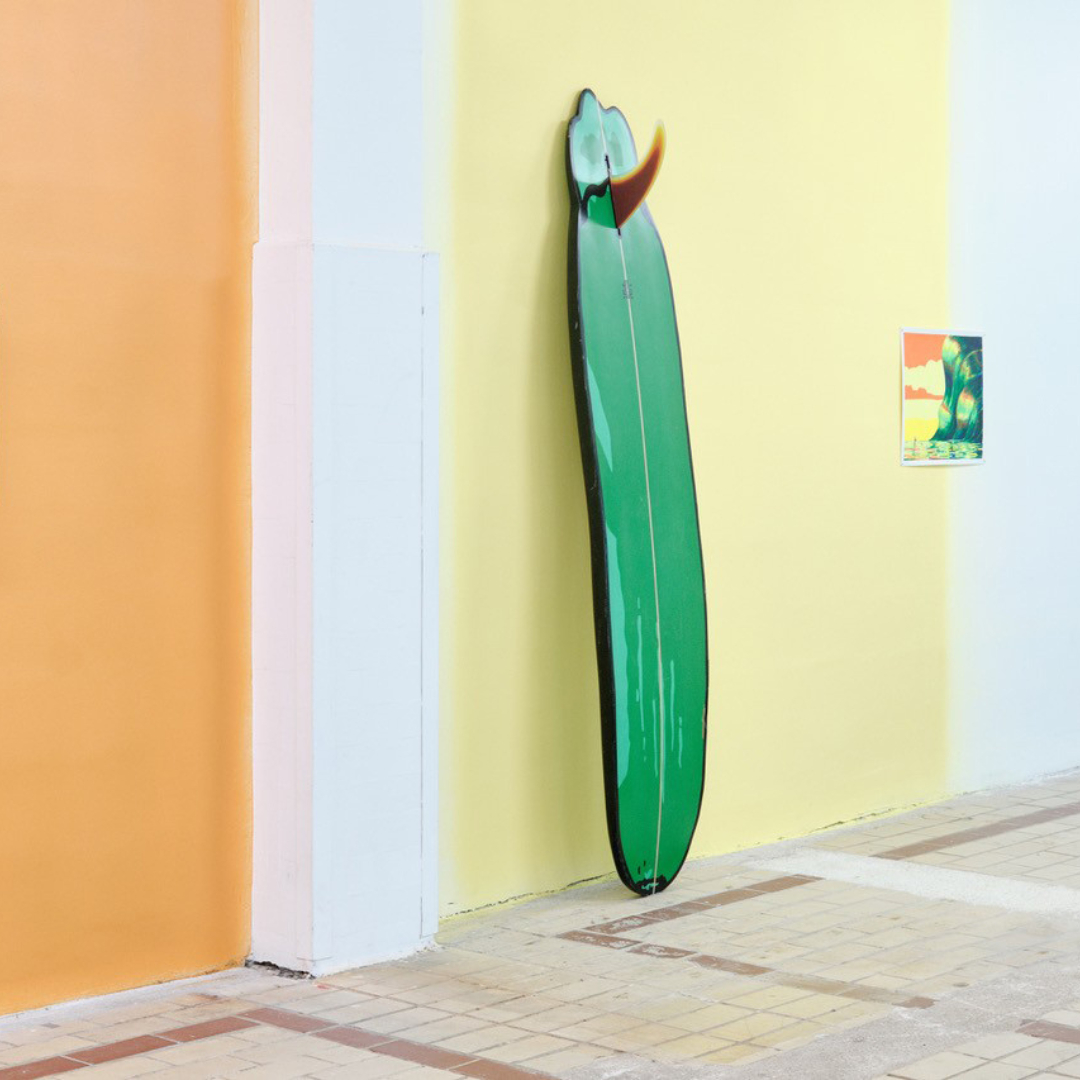
Bicycle wheels, fishing rods, racket frames, and motorbike seats et al. Martin Caminiti organises challenging everyday encounters, something like a Prévert-style inventory. Encounters with sport or travel-related objects, which he dismantles to reassemble the most graphic pieces into elegant abstract sculptures. Initially trained as a carpenter, before he graduated from Villa Arson, the artist considers himself more of a draughtsman than a sculptor. The volumes that populate his Nice studio might remind you of winged insects, not to mention the machines designed by Leonardo da Vinci. Their slender wires are for him the lines of a sketch. These sculptures question our way of looking by revealing the aesthetic significance of the useful. And the way they unfold clearly raises the question of the space that surrounds and composes the sculpture. The titles of Martin Caminiti’s works also provide the viewer with poetic and humorous keys to interpretation. This Machine à Fabriquer le Vent , for example, presented at Villa Datris as part of the exhibition entitled Re-cyclage/Sur-cyclage. Work that evi-dently takes on new significance today, in this period of deceleration and upcycling.




 Côteweb 2021, création de site Internet sur Nice