


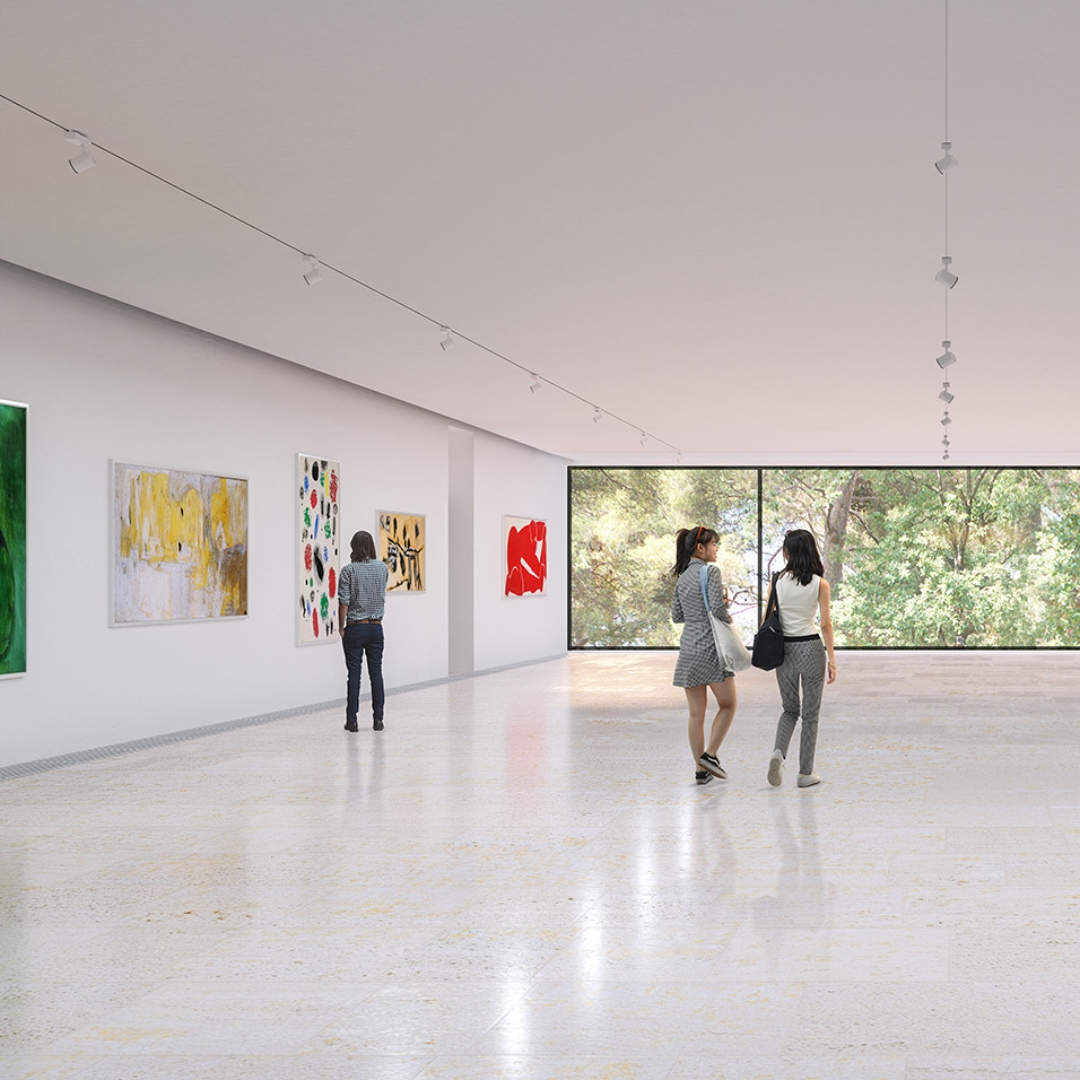
The Espace de l’Art Concret in Mouans-Sartoux has a unique world-first exhibition covering the pioneers of 1918 through to today’s exponents.
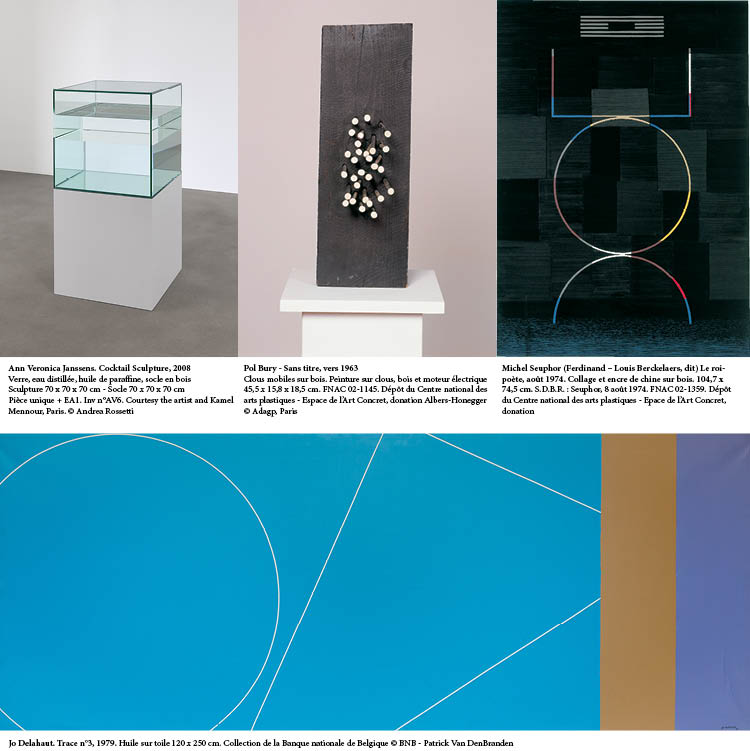
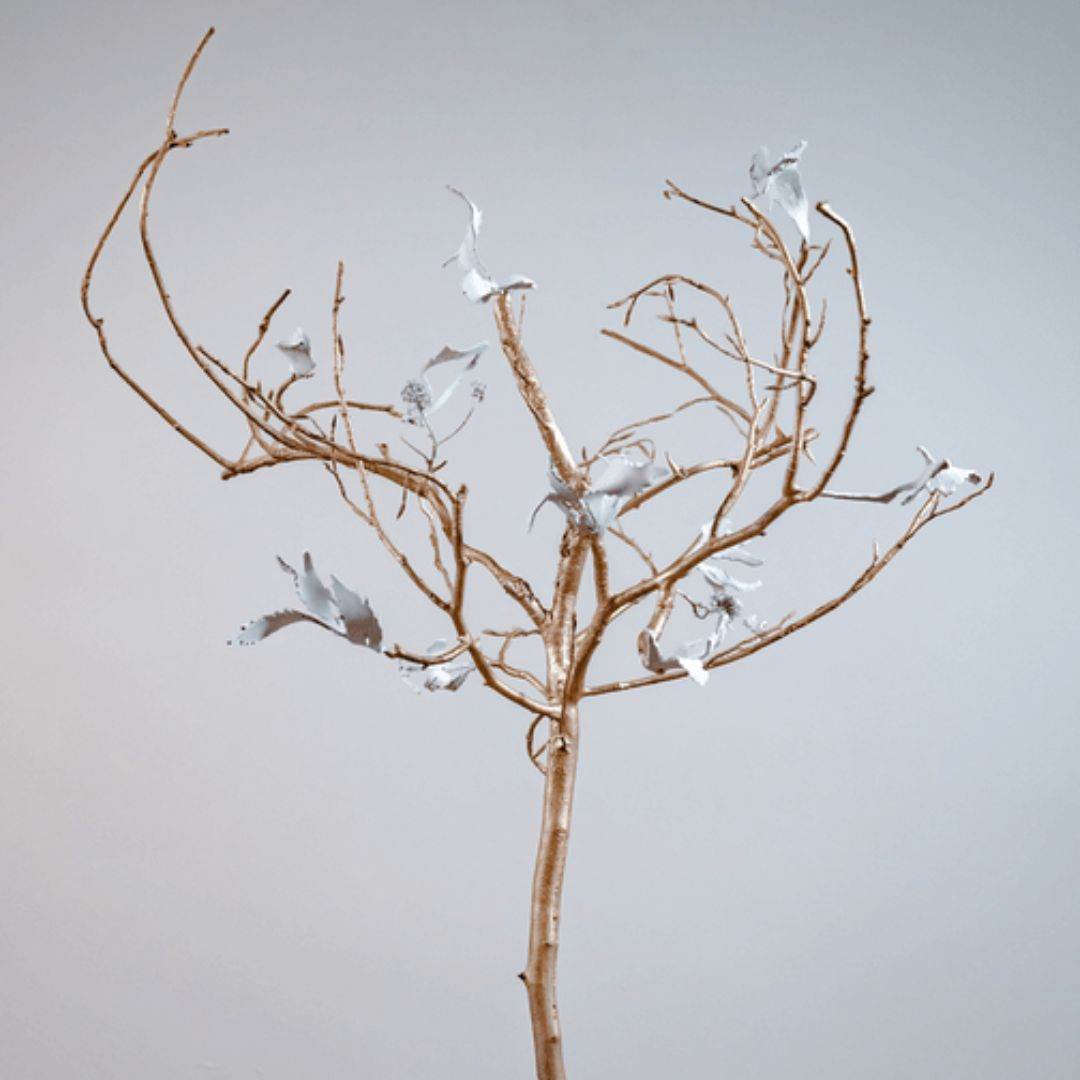
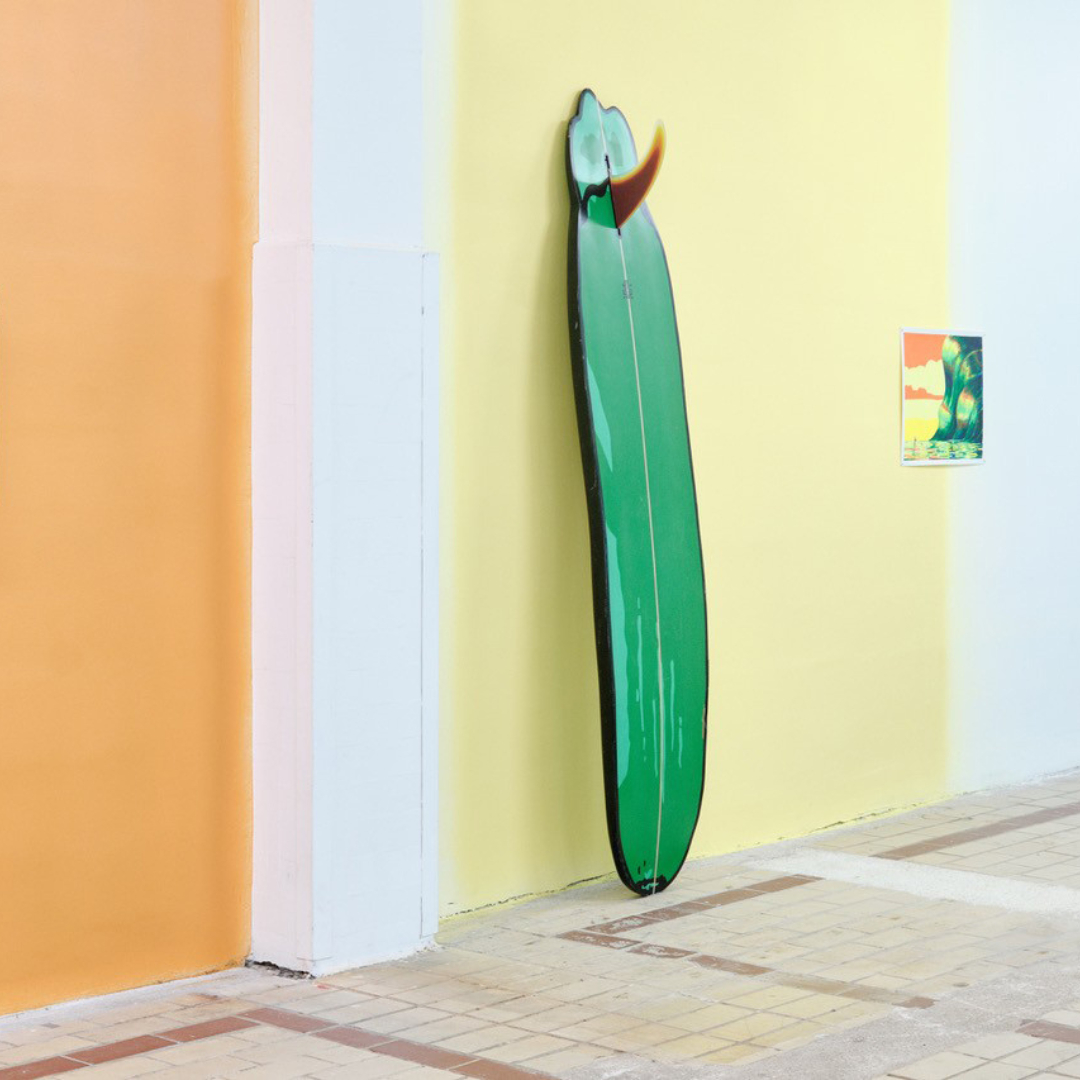
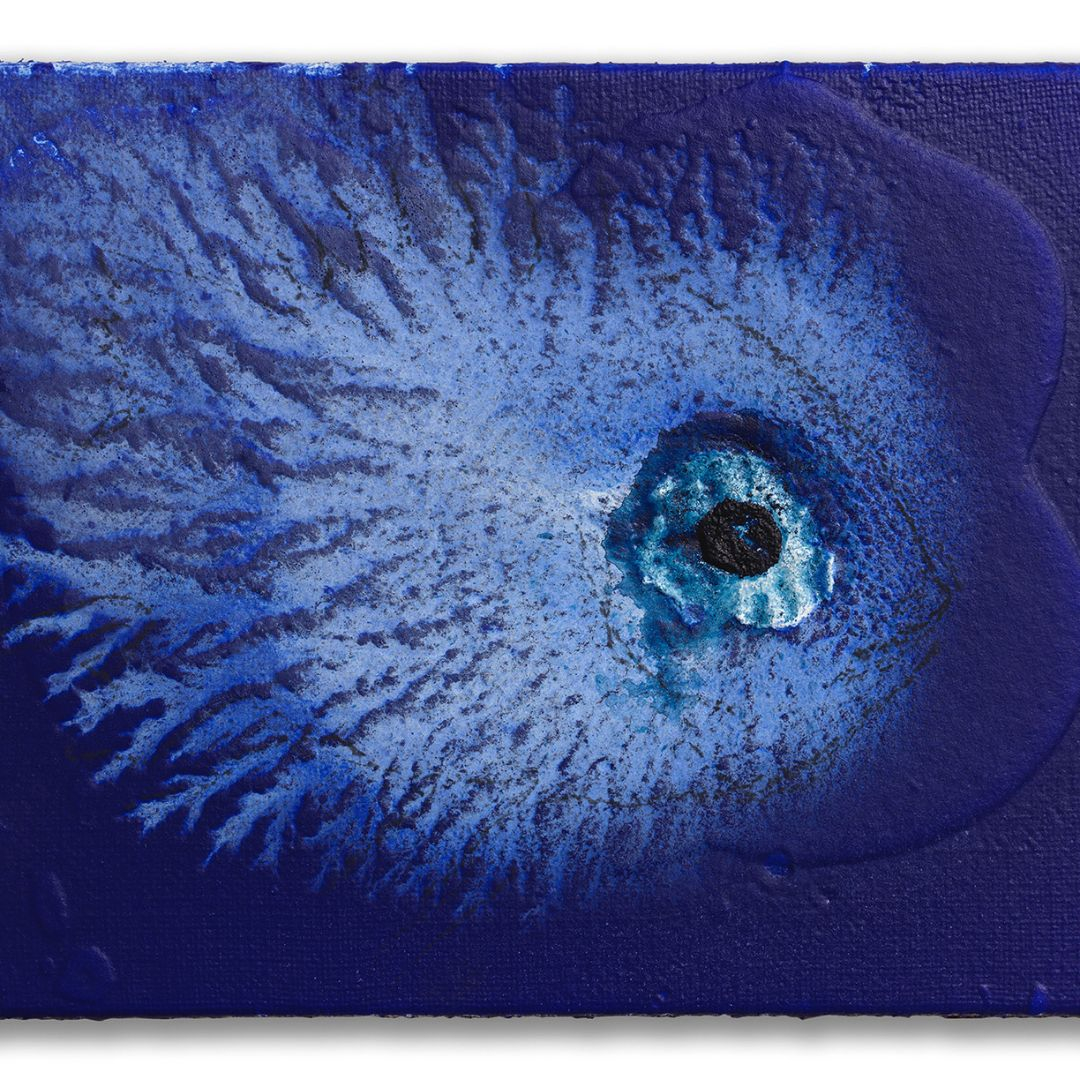
“Of the 180-odd artists in our collection, only two are Belgian, which made me want to explore the topic,” says Fabienne Grasser-Fulchéri, director of the Espace de l’Art Concret where the artworks in the Albers-Honegger donation dialogue with the architecture of the place. So she set to work and has brought together more than 60 items from public and private collections, quite a task as the exhibition displays both Flemish and Walloon artists and covers nigh-on a century, from Marthe Donas’s Cubist Doll with its striking angled contours to the illusion-inducing glass cubes that Ann Veronica Janssens creates today. The fine and decorative arts cohabit in harmony, with paintings and sculptures alternating with carpets and tea sets.
Circle, square, movement
Delving deeper into ideas posited by Cubism and Futurism, geometric Abstract Art had a first heyday in Brussels and Antwerp from 1918 to the end of the 1920s, through Michel Seuphor, Jozef Peeters, Paul Joostens, Victor Servranckx, and Pierre-Louis Flouquet’s industrial world peopled by shadowy forms. Then eclipsed for a time, the genre found a new lease of life after the Second World War thanks to leading artists such as Jo Delahaut, who employed lines as territorial divisions, and Pol Bury, one of whose animated fountains can be seen in Fondation Maeght’s gardens. Bury, a forerunner of the Slow movement, is among the most esteemed Belgian artists. Through its score of artists this exceptionally coherent overview shines new light on the sensibility, the humour too, characterising Belgian geometric Abstract Art. The exhibition runs until 29 November.
Espace de l’Art Concret - Centre
d’art contemporain
Château de Mouans, Mouans-Sartoux
Tél. 04 93 75 71 50
www.espacedelart concret.fr


 Côteweb 2021, création de site Internet sur Nice