


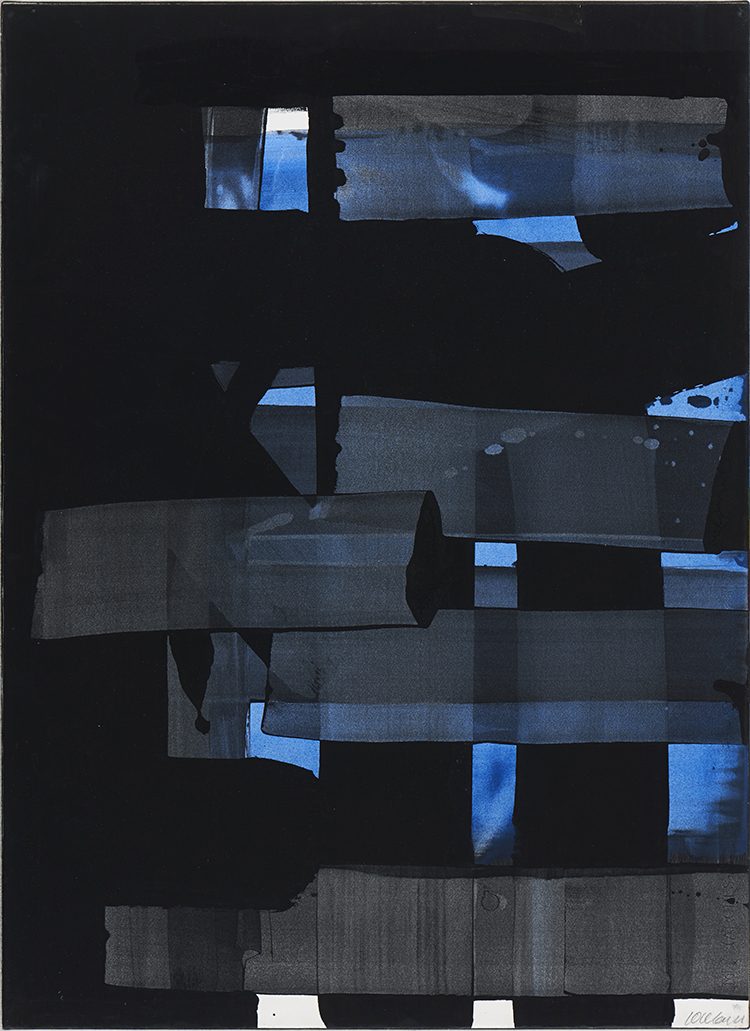
Pierre Soulages brought a new dimension to oil painting, but since 1946 he has also painted on paper and this very diverse work can be seen at the Picasso Museum.
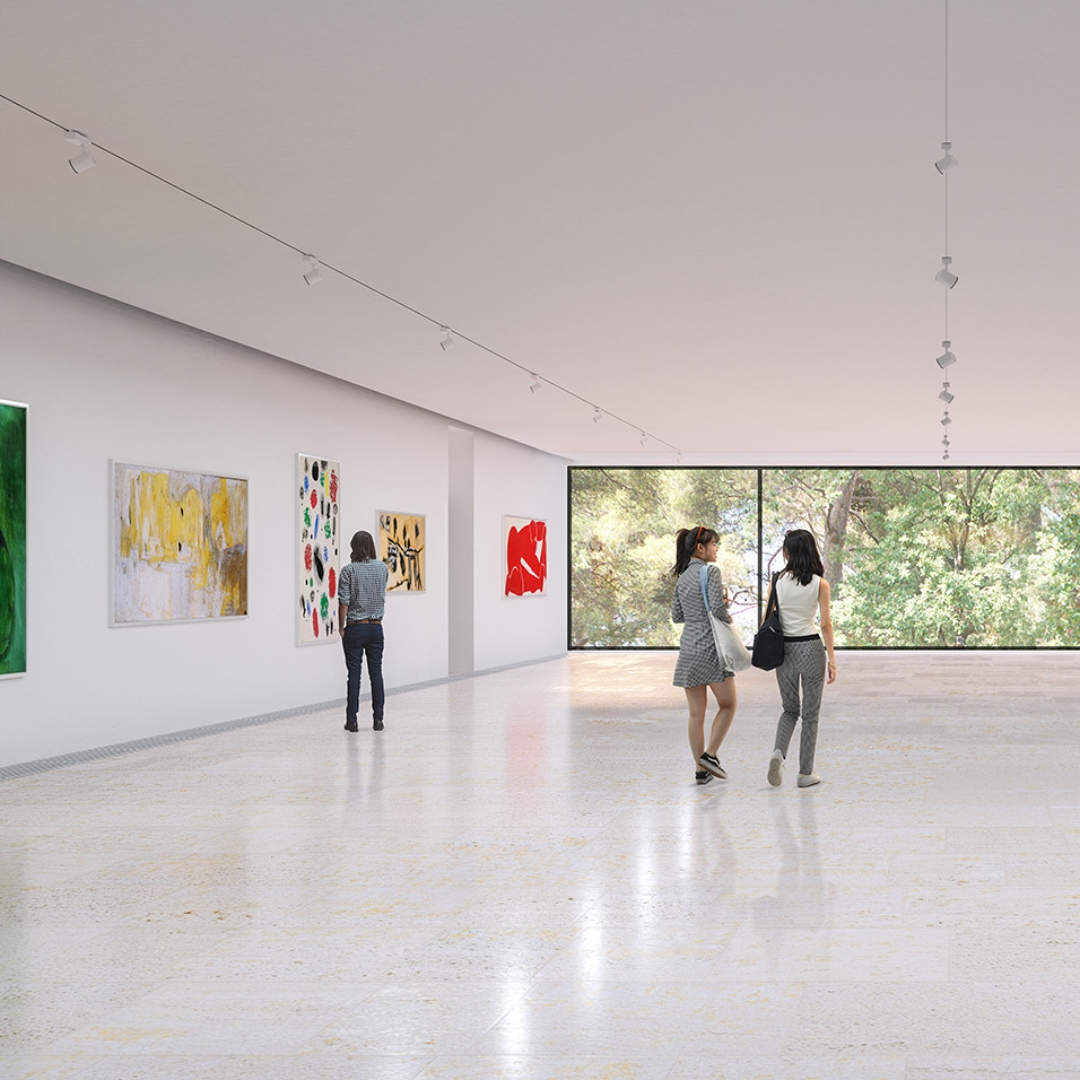
On a post-war art scene glowing with the Ecole de Paris’s bright colours, Pierre Soulages’s dark abstract canvases initially looked out of place; then from the 1970s they embraced a black so intense it created light, an ultra-black that became the artist’s signature. But one day Soulages began painting on paper. “The truth is I felt limited by oils,” he explained to justify the sudden impatient gesture that instigated an initially strictly personal practice, a private free space that over the years grew into a fully-fledged field of creation parallelling his oil painting. The Picasso Museum invites us to discover this richly impressive production through 96 works, mostly on loan from the Soulages Museum in Rodez, the artist’s birthplace.
“An inner need”
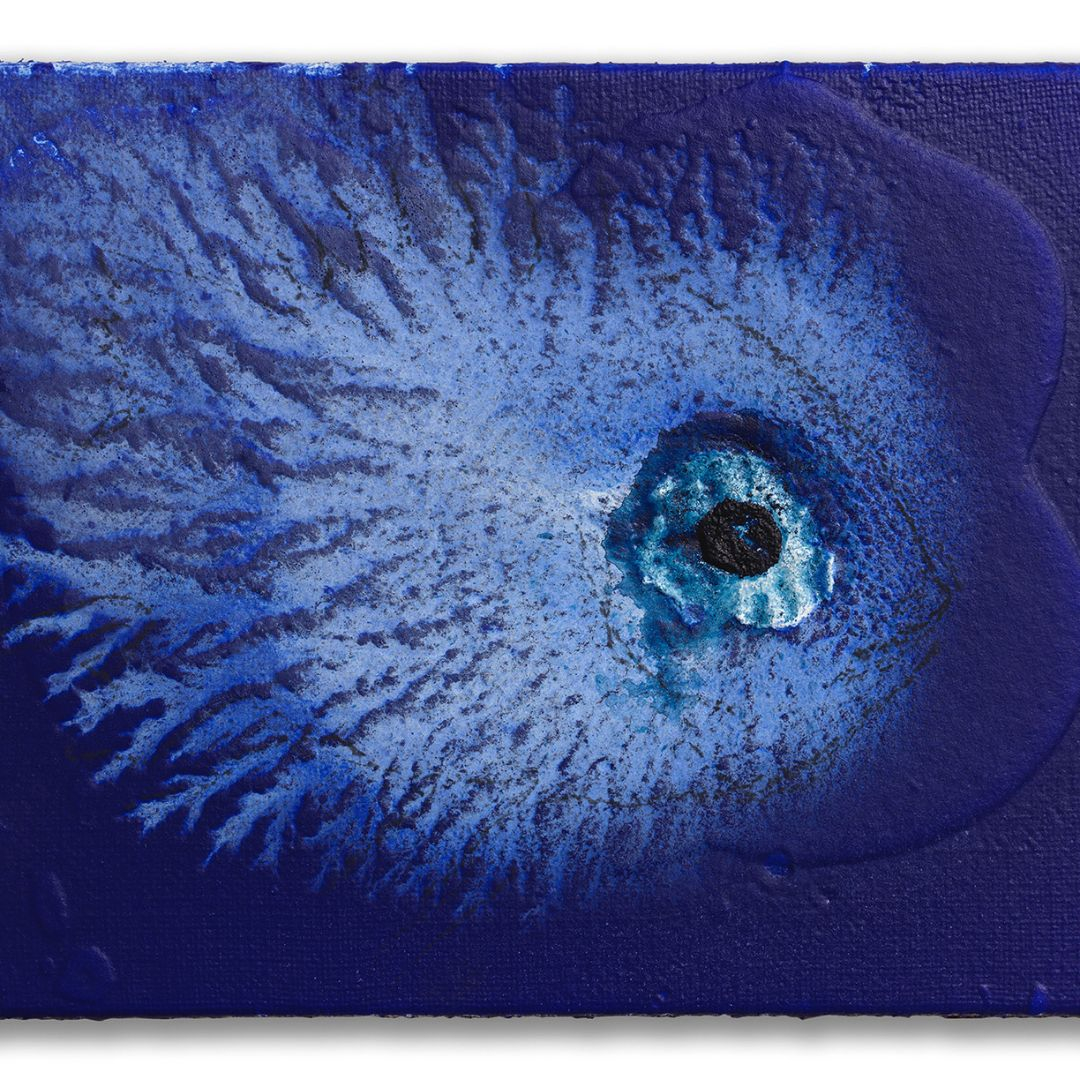
Soulages has never differentiated between his supports and materials. Protesting against the tendency of most big museums to catalogue this type of work as “drawings”, he chooses to describe his as ”painting on paper“. The technique enables the painter to work quickly without need of preparation or space, so favouring spontaneity and an intimate connection with the piece being created. Through his works on paper Soulages has consequently expressed new feelings, from the violence of the vertical signs of the early years to luminous colours in recent ones. He initially used walnut stain because it was easy to obtain, then continued employing it more in counterpart to his oil painting; not by working with layers but by instigating a dialogue between opacity and transparency, or how the paper absorbs and diffuses the stain and thereby crafts the space. The shapes, colours and materials interact, resonating together in their own singular rhythm.

 Côteweb 2021, création de site Internet sur Nice