




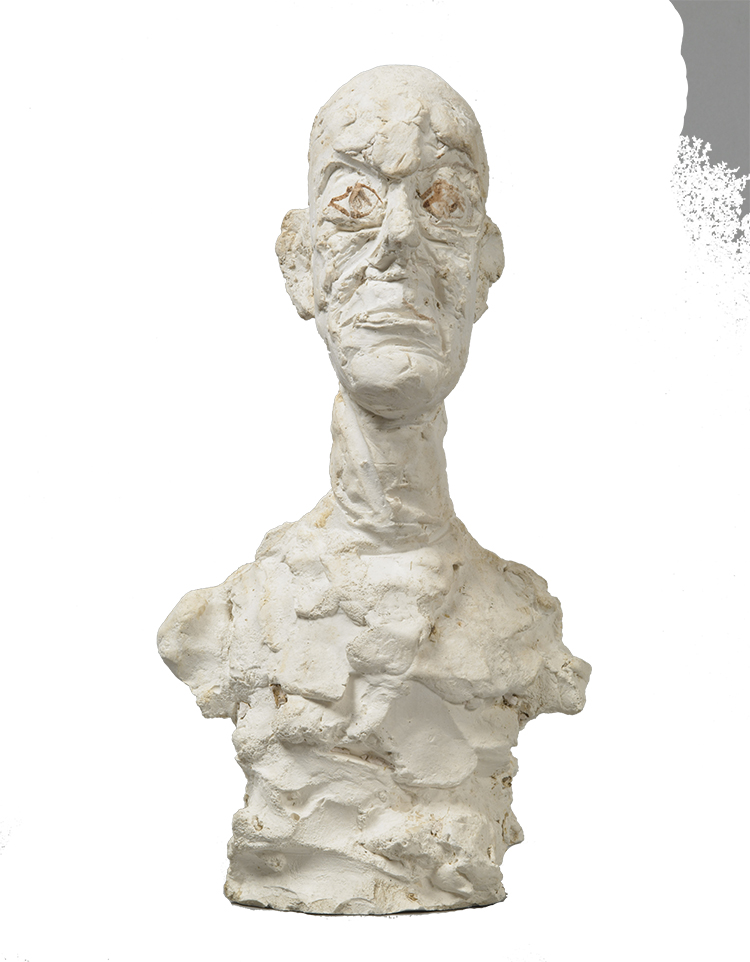
The new Nice arts centre spotlights Alberto Giacometti’s latter creations, from his models Diego, Annette and Caroline to man and woman sculpted in their universal reality.
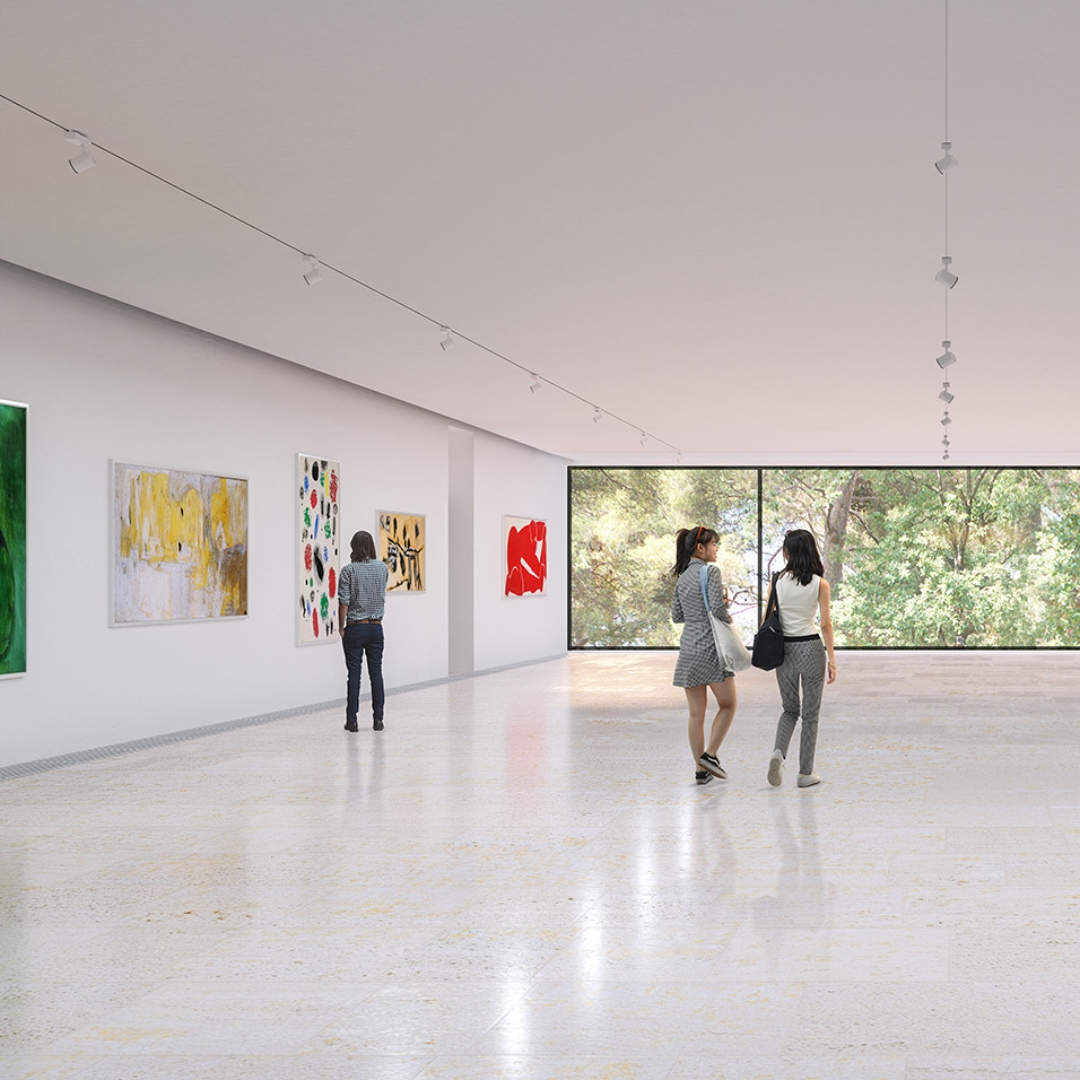
Nice’s culture scene is flourishing, with the inauguration of Galerie Lympia on the harbour, an exhibition space installed in the frankly unexpected setting of the town’s former lock-up, with the Pavillon de l’Horloge above. The Alpes-Maritimes departmental council’s idea is for this venue sporting a 250m² stone lower gallery to become a full-blown arts centre hosting events of local and national interest. Here this summer is showing the first ever Giacometti exhibition in Nice, featuring some 50 major works produced between 1960 and 1965: sculptures, paintings, drawings and prints on loan from the Giacometti Foundation, illustrating the considerable diversity of techniques that the artist employed during his final period, with photos (some never previously shown) acting as a guideline to this ambitious production.
Complexity in simple forms
How to render the human figure as it really is? That was doubtless Giacometti’s main concern after he began working with models again in 1935, and even more so in the 1960s. Here we see some of the models he used frequently, such as his brother Diego, his wife Annette and later on Caroline and the photographer Eli Lotar, who marked decisively the artist’s last period. Giacometti was not concerned with “depicting someone as we know them, but as we see them”. He travelled little but on several occasions visited Villa Natacha in Saint-Jean Cap-Ferrat; although the sea was not a familiar subject for a genius more at home in Swiss valleys, he did derive inspiration from the Côte d’Azur, drawing palm trees and seascapes.
Jusqu’au 15 octobre
Nice, 2 quai Entrecasteaux et 52 boulevard Stalingrad
galerielympia.departement06.fr
Par Tanja Stojanov

 Côteweb 2021, création de site Internet sur Nice