




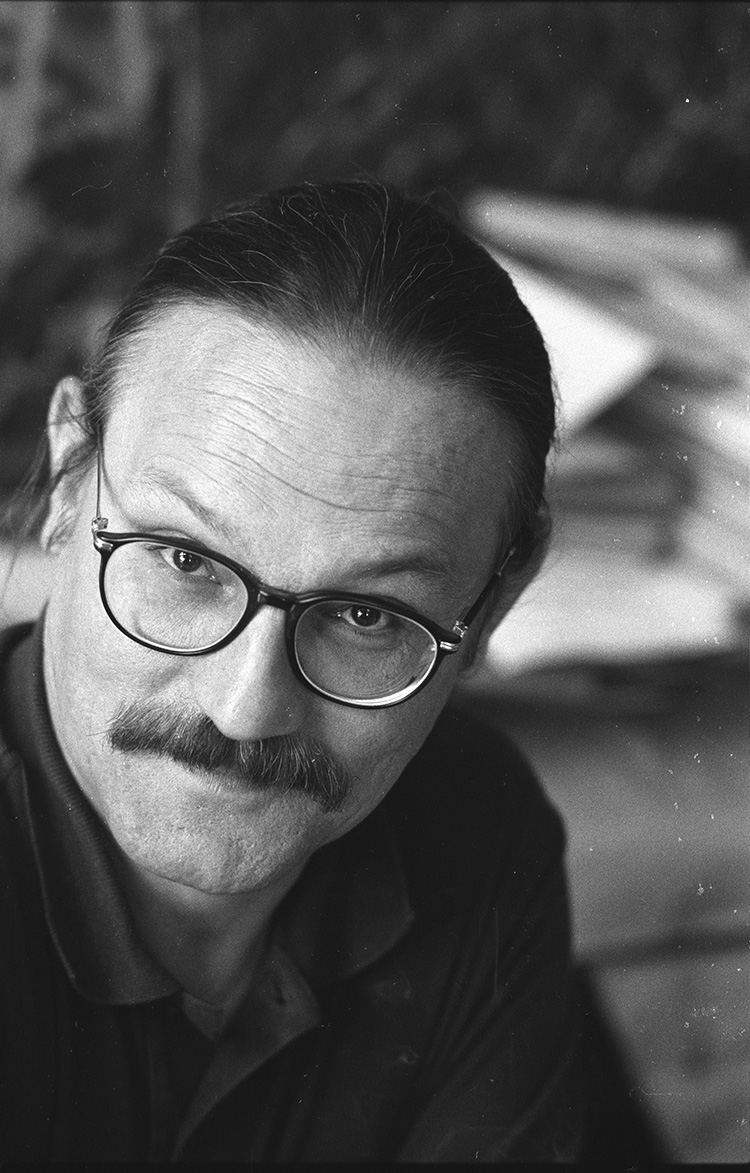
This sociologist and emeritus professor at Paris-Descartes University specialises in tourism. He decodes for COTE a ritual with a vital vocation.
COTE: Why did you choose the beach as your field of study?
In July and August the beach draws 30-35 million people who squash into 4% of our national territory. Over a year that figure rises to 50 million. The countryside, which accounts for 80% of France's territory, is nowhere near as popular. So this is an important social phenomenon that deserves study. Why do so many people head in the same direction, seek the same pleasures, such as taking off their clothes, swimming and lying in the sun?
So, why do they?
I think seaside holidays fulfil a special function, which is to give the individual some off-grid time, a period of forgetting and refocusing on themselves and their loved ones. Escaping from everything but at the same time with lots of other people, because the beach is a social space.
Being alone in the crowd?
Yes. As opposed to the secret garden, which is a means of forgetting the world through solitude, the beach is a way of forgetting the world in a crowd. Everyone is in the same place, looking at the same things, not thinking about anywhere else, reading the same things, playing the same games, practising the same leisure activities. Every morning beach-goers live a primitive scene together involving learning or relearning how to share territory. Something they no longer do in the built-up urban environment or when they're in the countryside.
This territory sharing is very codified, isn't it?
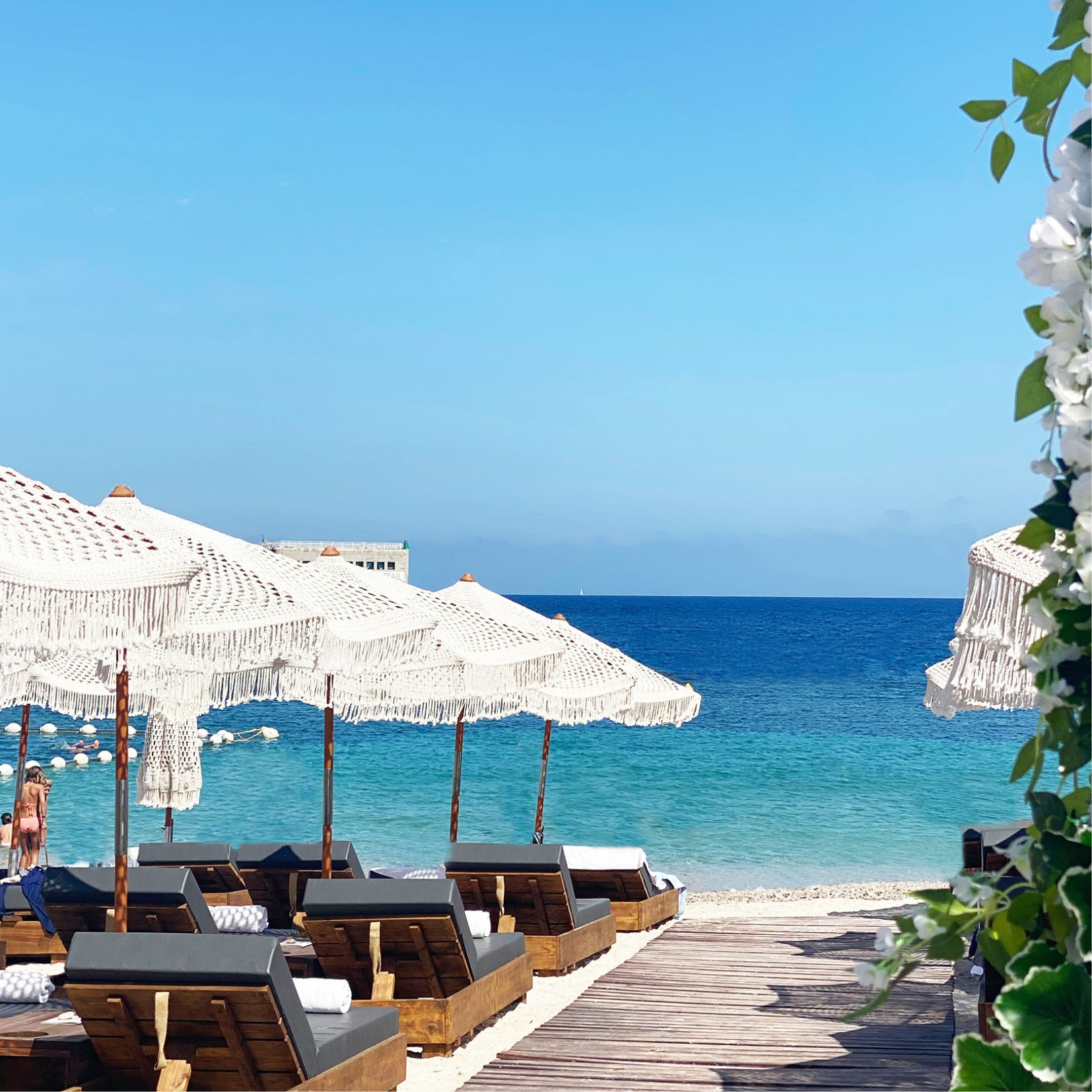
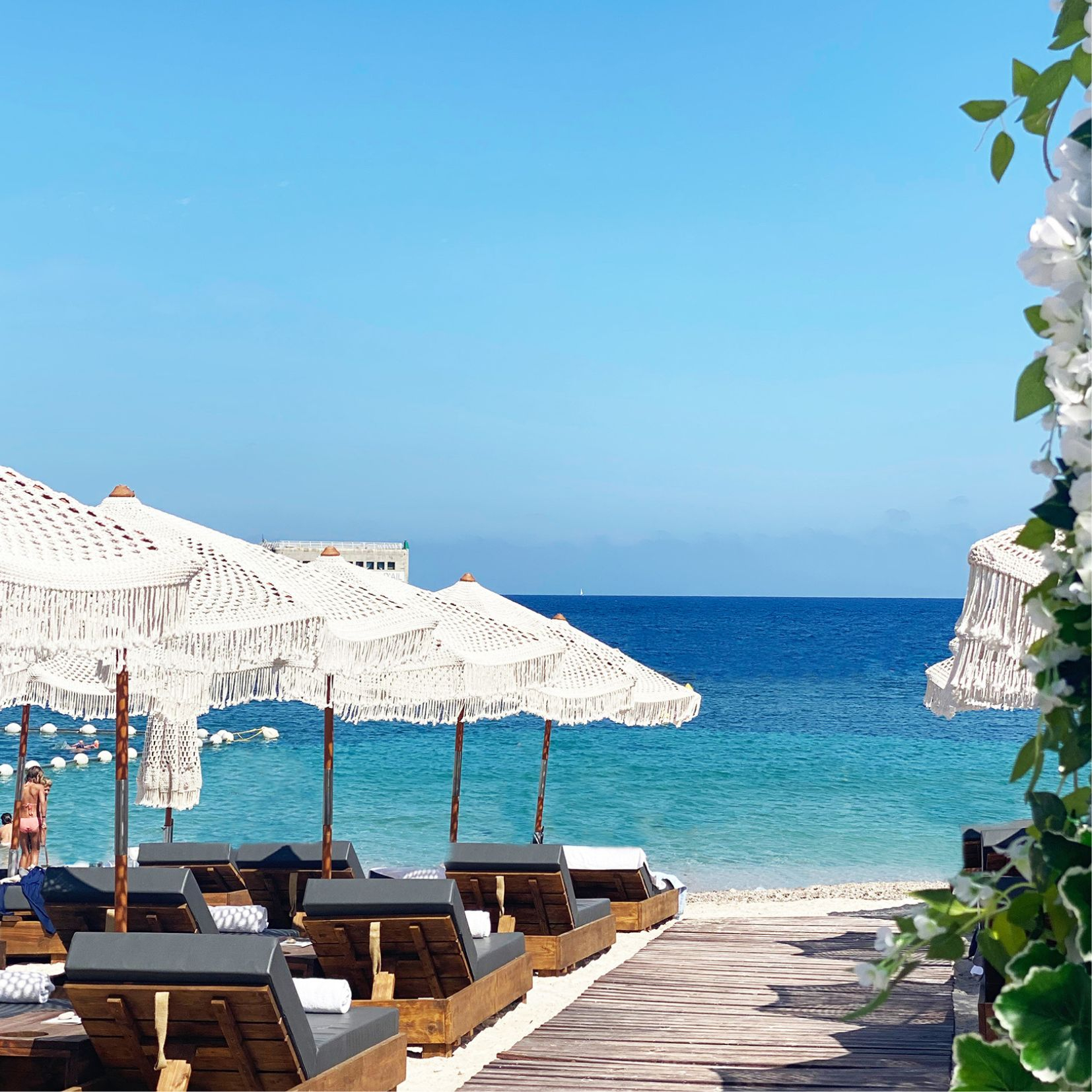
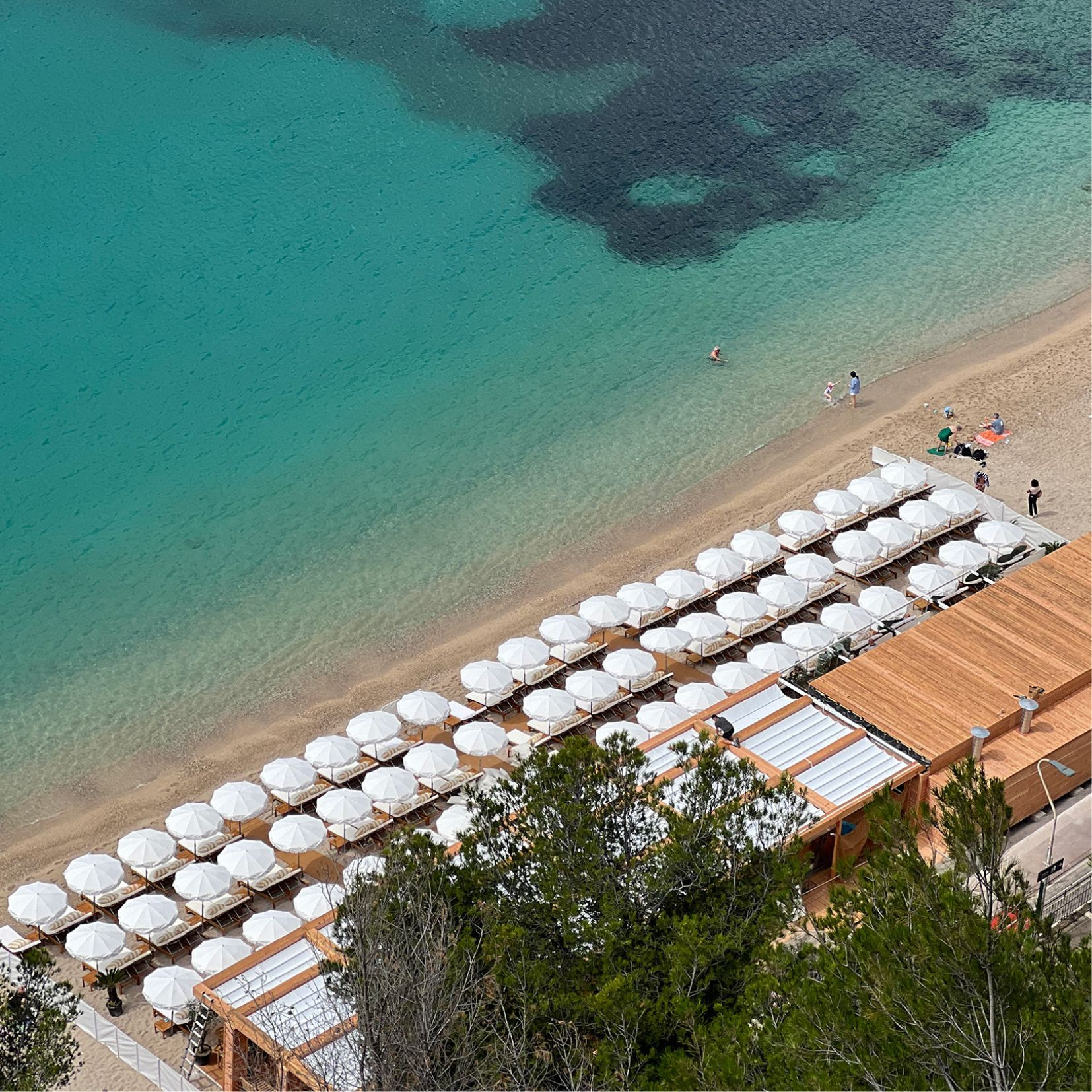
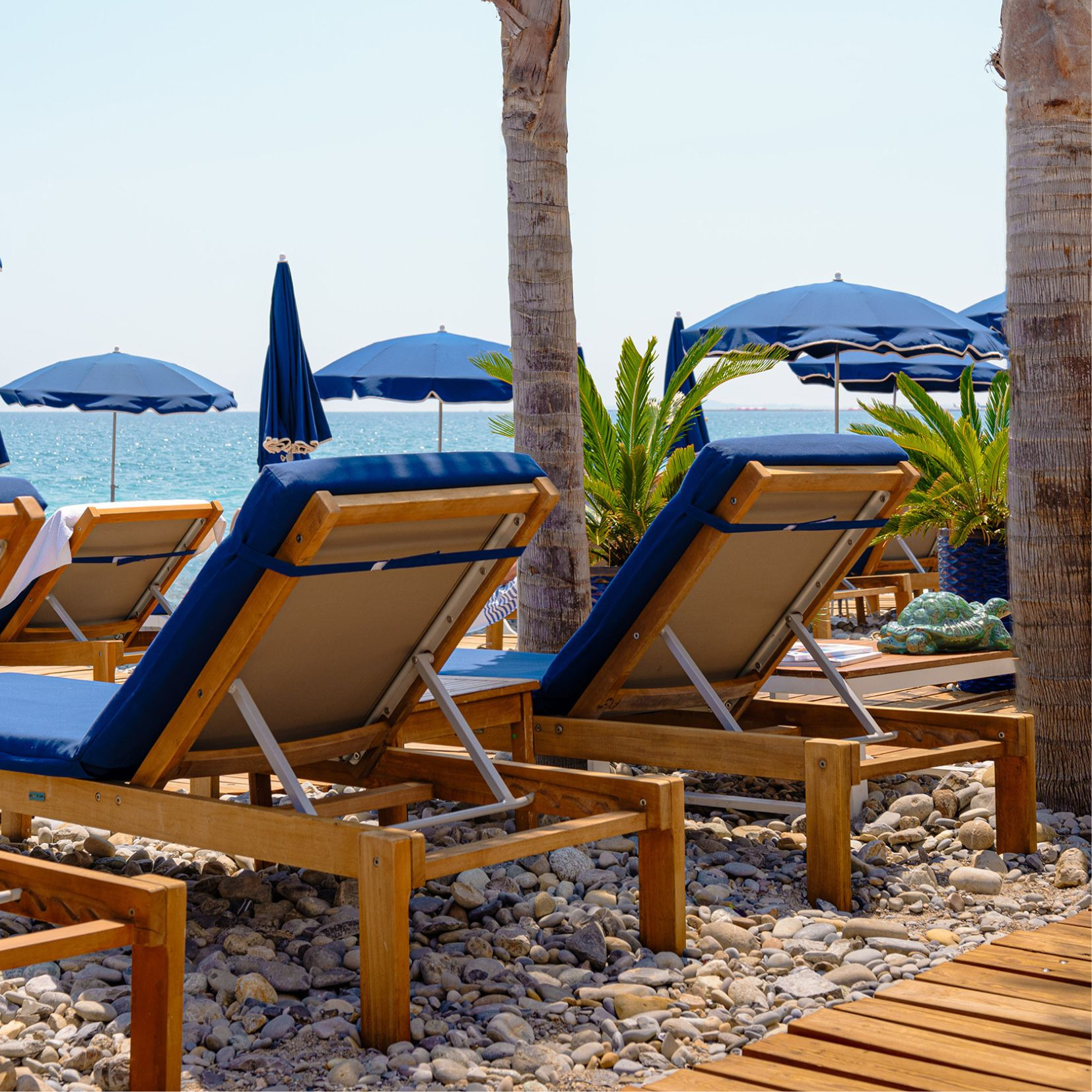
The rite of installation is always the same, and an art in itself! The man plants the parasol and opens it, its shadow defining an initial territory then extended by unrolling beach mats or setting up chairs. The ice box is placed at the base of the parasol. The children then scatter their toys around to create a second frontier. Teenagers distance themselves from the family circle by settling far enough away to create doubt as to whether they belong to the clan.
Have these codes always existed?
Obviously, but differently as they have evolved. People started frequenting beaches in winter in the late 19th century. Initially the beach was an extension of the Paris salon, reproducing society's habits in the capital through fully dressed people conversing on the sand. Bathing was a remedial activity for the sick and puny. Of course, things have changed since then.
A portrait of society in fact.
Yes, but a portrait that today is reversed: you're no longer there to advertise your professional status, you're there to play basic roles: the woman's man, the man's woman, the children's or parents' man/woman. You're part of an elementary dramaturgy, a sort of three-dimensional social contract in which each person takes on a role, the one that best suits them at any particular moment: castle builder, Tarzan when diving into the water, Botticelli's Venus when coming out of it.... It's a ritualised society involving the individual per se, unhindered by their social or economic reality.
A therapy in which observation is important?
The beach provides a means of existing in others' eyes, without Facebook. We exist because others observe us and we try to be the best we can. We don't step onto this "stage" without prior consideration, we prepare our bodies in accordance with the codes of self-presentation and relating to others: tanning, slimming, tattoos, depilatories. In a society generating loneliness, in which social bonds are weak, distended or even broken, the beach is a consolation for some, group therapy on sand instead of a couch. It's real happiness therapy because you're in control, of your time, your space and any burdensome social constraints.

 Côteweb 2021, création de site Internet sur Nice